Friday, November 28, 2025

Friday, November 28, 2025

Friday, November 28, 2025

Types of Events: Comprehensive Guide for Organizers 2025

Types of Events: Comprehensive Guide for Organizers 2025

Written by:

Profile picture of Asuncion Leonard

Asuncion Leonard

27 minutes

27 minutes

27 minutes

event types
event types
event types

In this post:

In this post:

In this post:

Section

Section

Section

Event Types: Complete Guide for Organizers in Argentina 2025
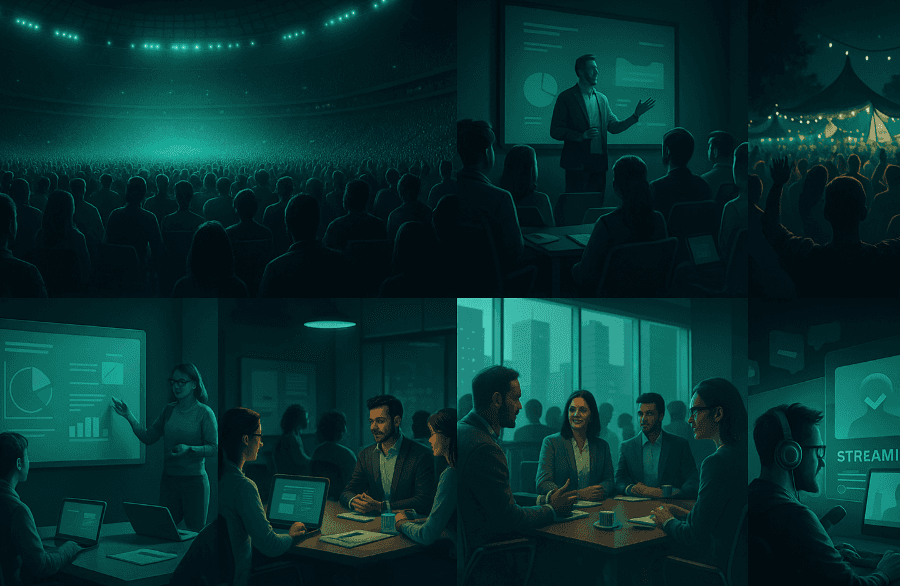
tipos de eventos en Argentina

Choosing the correct event format can mean the difference between a resounding success and a half-empty room. It's not just about "doing something," but understanding what type of experience generates the result you seek: engagement, sales, community, brand awareness, or education.

In Argentina, where massive concerts in Vélez coexist with intimate workshops in Palermo cafés, each type of event has its own dynamics, specific audience, and particular operational challenges. And if you're going to sell tickets, the differences multiply: you don't manage a concert for 5,000 people the same way as a workshop for 30.

This guide analyzes the 14 most common types of events in Argentina, focusing on what works, what the audience seeks in each, what tools you need, and what mistakes can sink you before starting.

What is meant by "types of events"?

When we talk about types of events, we refer to categories that group experiences with similar characteristics in terms of:

  • Purpose: Why does the event exist? (entertain, educate, connect, sell, celebrate)

  • Format: How is it structured? (in-person, virtual, hybrid)

  • Audience: Who is it aimed at? (general, segmented, corporate, niche)

  • Production: What level of complexity does it have? (from a Zoom talk to a 3-day festival)

  • Monetization: How is it financed? (tickets, sponsors, free)

Why it matters to choose the event type wisely:

Choosing the wrong type can mean:

  • An audience that doesn't connect with the format

  • Unmet expectations

  • Inadequate sales tools

  • Poorly allocated resources

Real example: An organizer planned a 4-hour "conference" with speakers. The audience expected networking and breaks, but the format was just talks without pauses. Result: 40% abandoned after the first hour. The problem wasn't the content; it was the chosen format.

The 14 Different Most Used Types of Events in Argentina

1. Social Events
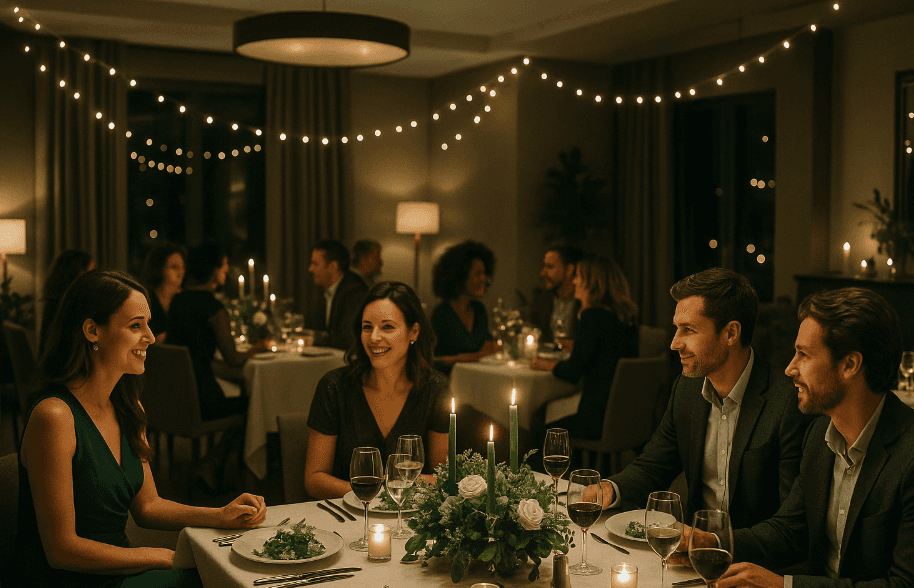
eventos sociales

What type of event is it?
Private or semi-public celebrations: birthdays, anniversaries, weddings, baby showers, graduation parties.

When to use this type of event:
When the goal is to celebrate a personal or group milestone in an intimate or controlled setting.

Characteristics in organizing a social event:

  • Generally private (closed guest list)

  • High emotional investment

  • Locations: party halls, estates, outdoor spaces

  • Rarely involve ticket sales (except graduation parties or open themed events)

Operational considerations of the event:

  • If selling tickets: you need a whitelist (access codes) and strict validation at the door

  • Communication: digital invitations, WhatsApp, private networks

  • Expected audience: 30-300 people (depending on the type)

When NOT to choose this format:
If your goal is to build community in the long term or generate recurring revenue. Social events are unique experiences, not series.

2. Cultural Events
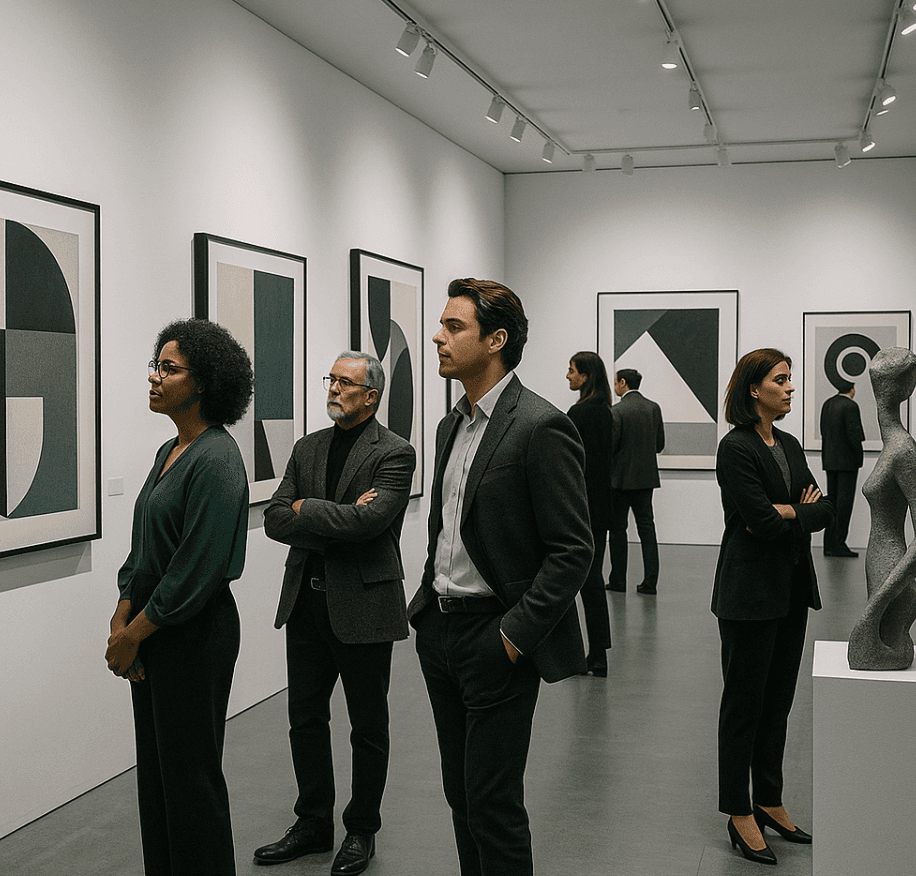
eventos culturales

What type of event is it?
Activities related to art, literature, film, heritage: film cycles, exhibitions, literary talks, cultural tours, projections, book presentations.

When to use this type of event:
When you seek to educate, sensitize, or connect audiences with artistic or heritage content.

Characteristics in the production of a cultural event:

  • Segmented and loyal audience (cultural niche)

  • Generally accessible or free entrance (with sponsor)

  • Common locations: cultural centers (Konex, CCK, Malba), libraries, galleries

  • Communication: newsletters, cultural Instagram, word of mouth

Useful data:

  • Typical attendance: 50-500 people

  • High no-show rate if free (40-50%)

Operational tip:
If your cultural event is free, still ask for registration. Two benefits: you control capacity and build a database for future events. Send a reminder 24 hours before (reduces no-show).

Key tools:
Ticketing system that allows free issuance but with capacity control. Email marketing for post-event communication.

3. Concerts and Musical Shows
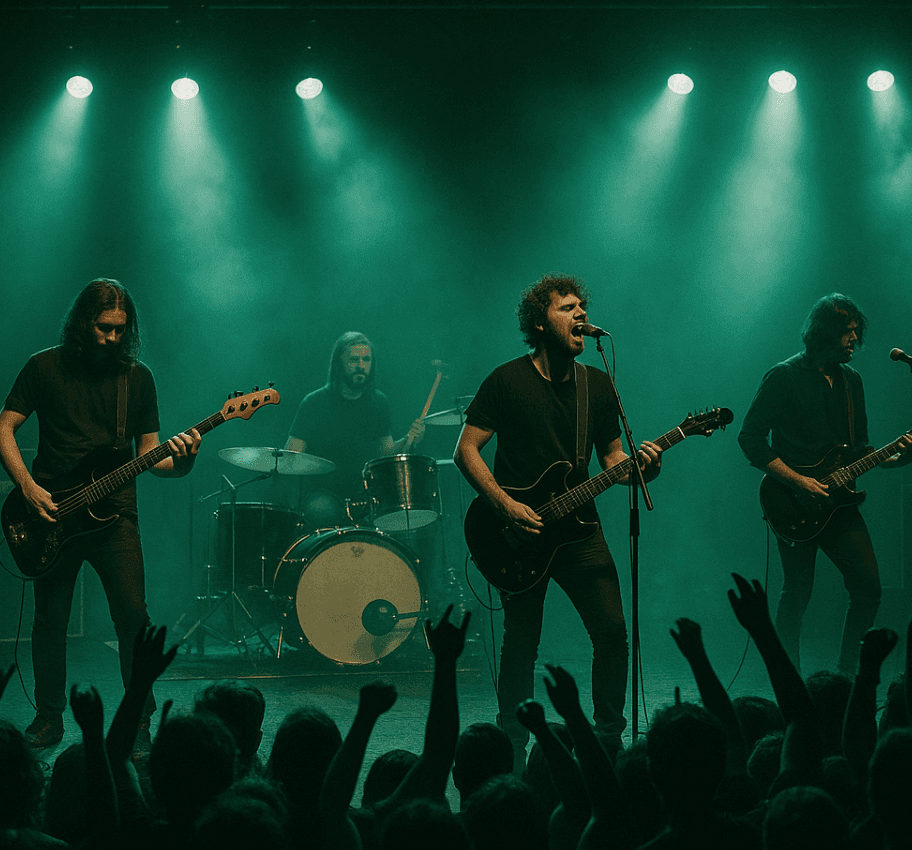
recitales

What type of event is it?
Live musical performances: from independent bands in bars to massive stadium shows.

When to use this type of event:
When the goal is pure entertainment and the product is live music.

Characteristics in organizing musical events:

  • One of the most massive and competitive formats

  • Diverse age audience according to musical genre

  • Locations: from bars (100 people) to stadiums (50,000+)

  • Ticket sales are critical: defines economic viability

Argentinian market data:

  • Scales from emerging bands to international artists

  • Venue commissions typically between 20-30% of gross (if they charge commission + rent)

Challenges in event management:

  • High competition (multiple shows on the same day)

  • Tandem sales (early bird, regular, door)

  • Strict capacity management (municipal permits)

  • Quick validation at the door (avoid queues)

Common mistakes: Underestimating production costs (sound, lights, backline)
Not activating remarketing (60-70% cart abandonment)
Depending on door sales (operational risk)

Key tools:
Mobile-first checkout (70% buy from phone), automatic remarketing, offline QR system, real-time panel to adjust strategy during pre-sale.

4. Theater and Performing Arts
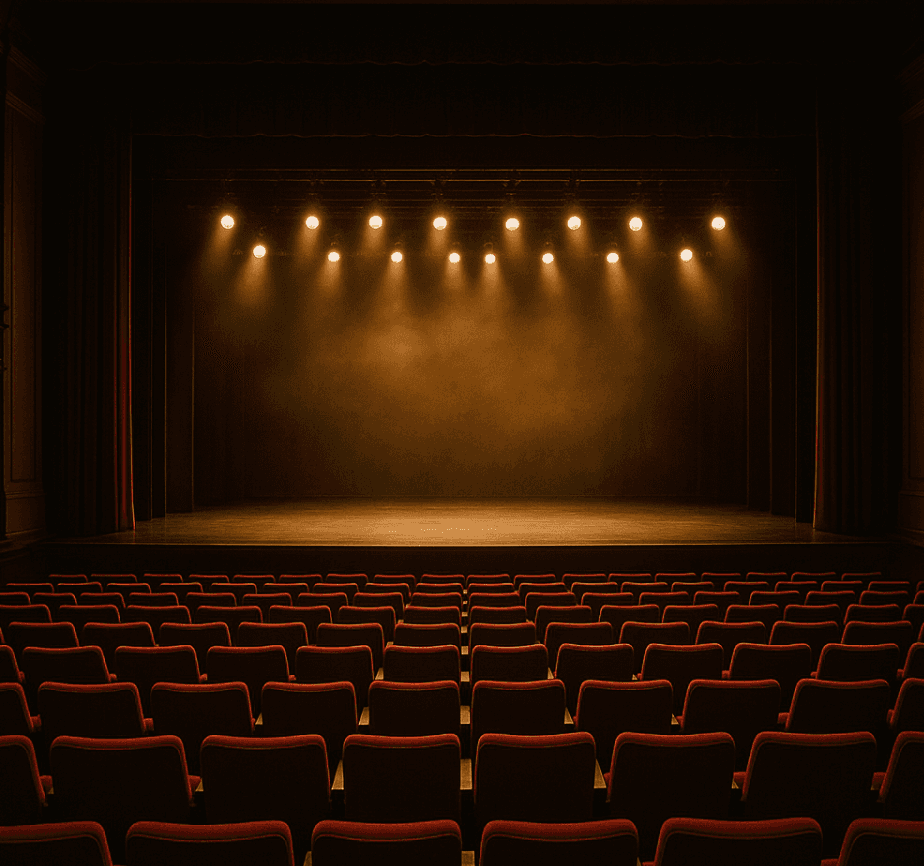
teatros y artes escénicos

What type of event is it?
Plays, stand-up comedy, dance, musical theater, performance art.

When to use this type of event:
When narrative or performative format is central to the experience.

Characteristics in the production of theatrical events:

  • Long seasons (plays with multiple shows)

  • Faithful and recurring audience

  • Locations: independent theaters, off, commercial, alternative

  • Sales by show or subscription

Useful data:

  • Target occupation: 70-80% (below that, economically unfeasible)

  • Shows per week: 3-8 depending on scale

Considerations in event organization:

  • Seat selection (seat maps)

  • Group discounts

  • Weekly communication (reminding each show)

  • Own database (critical for future seasons)

Key tip:
In theater, the value is in recurrence. A play that lasts 3 months with 4 shows per week needs sustained communication strategy. Integrated email marketing is essential: weekly reminders to your base generate 30-40% of sales.

Key tools:
Management of multiple shows, seat maps, discount codes (for groups, students, retirees), exportable database.

5. Corporate Events
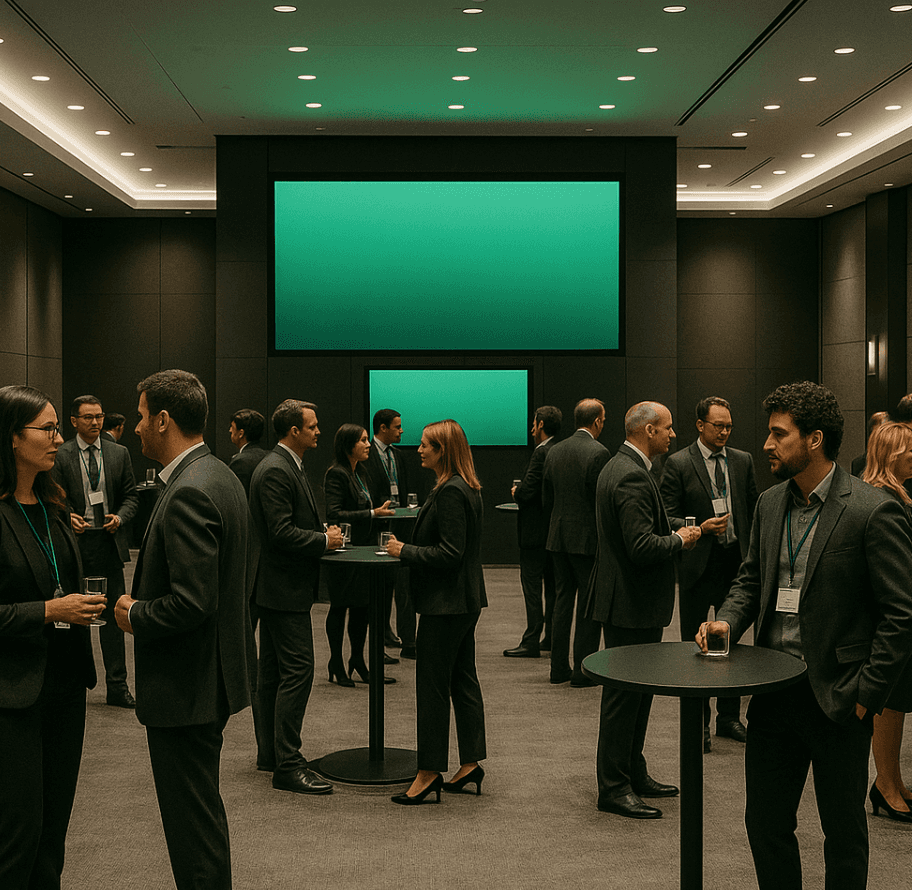
eventos corporativos

What type of event is it?
Activities organized by companies for their employees, clients, or stakeholders: team building, annual dinners, product launches, kick-offs, corporate presentations.

When to use this type of event:
When the goal is to strengthen internal culture, align teams, celebrate achievements, or generate B2B networking.

Characteristics in organizing corporate events:

  • Nominal invitations (no public sales)

  • Strict corporate branding

  • Locations: hotels, convention centers, corporate spaces

  • Typical capacity: 50-500 people

Operational considerations of a corporate event:

  • Registration with validation (only authorized corporate emails)

  • RSVP confirmation

  • Billing in the company's name

  • Premium experience expected

Key tip:
In corporate events, branding is non-negotiable. The company wants everything to look internally developed. You need total white-label: own domain (e.g., kickoff2025.company.com), design with corporate palette, zero references to third-party platforms.

Key tools:
White-label with own domain, custom fields in registration (company, area, position), unique access codes, detailed HR reports.

6. Conferences and Workshops

workshops

What type of event is it?
Educational events: technical talks, training, practical workshops, seminars, masterclasses.

When to use this type of event:
When the primary goal is to transfer specific knowledge and generate applicable learning.

Characteristics in organizing educational events:

  • Duration: 2 hours to 3 days (depending on format)

  • Audience: professionals seeking upskilling

  • Locations: co-works, universities, training centers, online

  • Monetization: ticket sales (knowledge is the product)

Useful data:

  • Typical capacity: 20-200 people (depending on format)

  • Formats vary from practical to theoretical

Common formats of educational events:

  1. Practical workshop: 20-40 people, high interaction, exercises

  2. Technical conference: 100-500 people, multiple speakers, networking

  3. Masterclass: 15-30 people, premium expertise

Considerations in planning an educational event:

  • Registration with detailed information (company, experience, expectations)

  • Pre-event materials (sent before the event)

  • Certificates of attendance (automatic generation)

  • Post-event follow-up (content, community)

Common mistakes: Not validating prior knowledge level (very heterogeneous audience)
Overselling capacity (workshops need an interaction limit)
No follow-up strategy (the value is in the post-event community)

Key tools:
Custom fields in checkout (capture relevant info), automated email marketing (pre-event materials, reminders, follow-ups), data export for post-event analysis.

7. Festivals
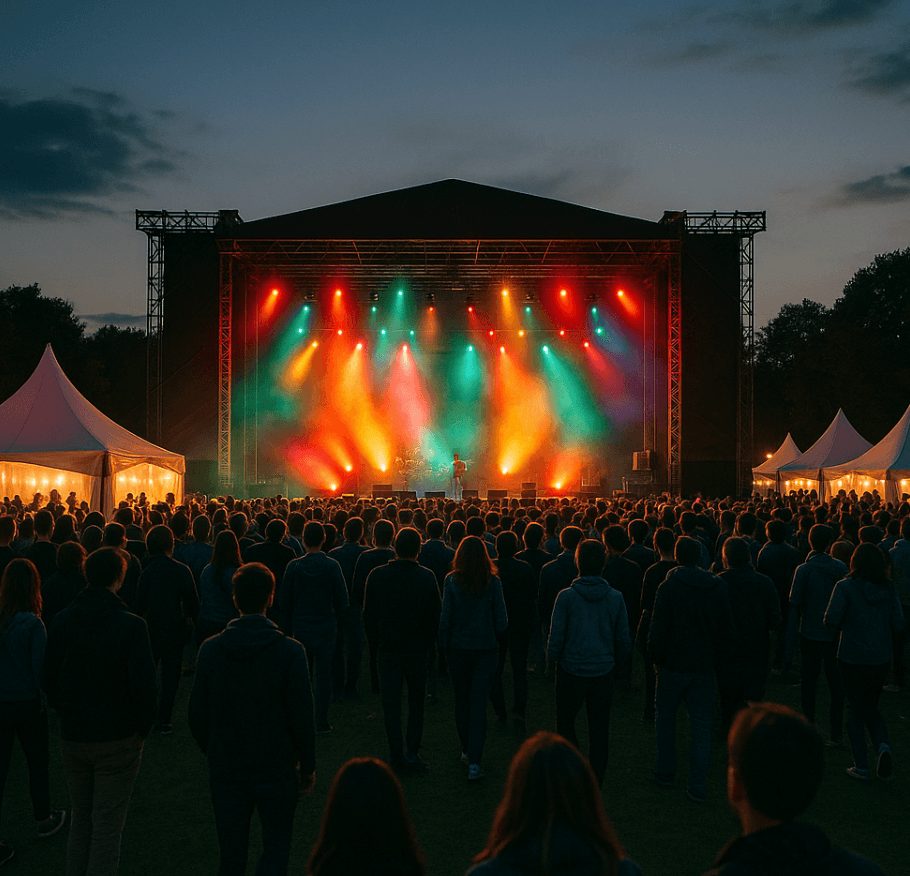
festivales

What type of event is it?
Multi-activity events of one or more days: music festivals, gastronomy, cinema, literature, art, craft beer.

When to use this type of event:
When you want to create an immersive experience that combines multiple attractions and generates prolonged public stay.

Characteristics in organizing a festival:

  • High logistical complexity

  • Multiple providers and coordination

  • Locations: parks, closed venues, rural spaces

  • Duration: typically 1 to 5 days

Typical event scales of this type:

  • Indie festival (1 day, 5 bands): 500-2,000 people

  • Medium festival (2 days, multiple stages): 5,000-15,000 people

  • Large festival (3+ days, international): 30,000-100,000+ people

Types of tickets at events:

  • Day pass (specific day)

  • Weekend pass (all days)

  • Early bird (pre-sale discount)

  • VIP (premium access, catering, exclusive area)

  • Backstage pass (total access)

Challenges in event management:

  • Sector capacity management

  • Multi-point validation (multiple simultaneous entries)

  • Continuous communication (schedule changes, weather)

  • Emergency logistics

Critical tip:
Festivals are sold in stages. People don't decide in one moment: they see the lineup, wait, compare, return days later. Automatic remarketing is the difference between 60% occupancy and sold-out. Abandoned carts at festivals are very high (70-80%) because the decision is not impulsive.

Key tools:
Real-time panel (adjust strategy during pre-sale), automatic remarketing with AI (recover undecided), management of multiple ticket types, validation system that scales to multiple concurrent points.

8. Fairs and Expos

ferias y expos

What type of event is it?
Commercial events where multiple exhibitors present products/services: gastronomic, technological, design fairs, book, agricultural, real estate expos.

When to use this type of event:
When the goal is to concentrate supply and demand in one physical space to facilitate discovery, comparison, and transaction.

Characteristics in organizing trade fairs:

  • Hybrid models (exhibitors pay stand + public pays entrance OR free entrance)

  • Duration: typically 2-7 days

  • Locations: La Rural, convention centers, exhibition grounds

  • Audience: general or segmented (B2B vs B2C)

Useful data:

  • Typical attendance: 5,000 - 100,000+ people (depending on scale)

  • Multiple attendee profiles

Types of tickets at events:

  • General visitor

  • Sector professional (B2B)

  • Press

  • Exhibitor

  • VIP / sponsors

Considerations in event management:

  • Zone access control (public area vs professional area)

  • Rapid validation (high volume entry)

  • Registration with professional information (for B2B fairs)

  • Differentiated communication by attendee type

Key tools:
Management of multiple types of tickets with differentiated permissions, multi-point validation, real-time attendance reports by zone, segmented database.

9. Sporting Events
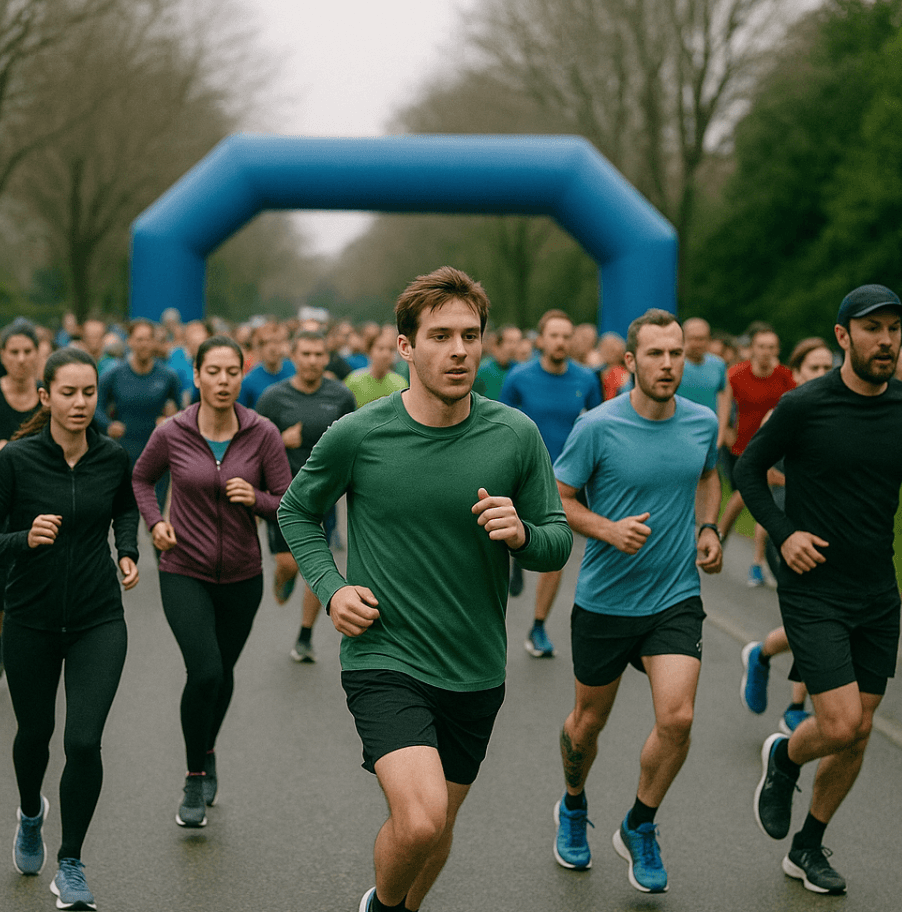
eventos deportivos

What type of event is it?
Competitions, tournaments, races, exhibitions: marathons, amateur soccer tournaments, cycling races, crossfit competitions, friendly matches.

When to use this type of event:
When sport is the product and competition or participation is the goal.

Characteristics in organizing sporting events:

  • Participant audience + spectator audience

  • Anticipated registrations (limited quotas)

  • Specific requirements (age, category, equipment)

  • Locations: stadiums, urban circuits, clubs, open spaces

Market data:

  • Scales from amateur events to elite competitions

  • Participation varies from 50 to 10,000+ people depending on discipline

Considerations in planning a sporting event:

  • Registration with medical data (health declaration)

  • Categories by age/gender/level

  • Capacity limits (for safety)

  • Kit delivery (shirts, numbers, chips)

  • Validation on event day (early accreditation)

Specific tip:
In sporting events, the registration deadline is real (you need to produce kits, number participants, coordinate logistics). Clearly communicate the deadline and activate remarketing 48-72 hours before closing.

Key tools:
Extensive custom fields (medical data, emergency, category), strict capacity limits, automated communication (pre-event instructions, meeting point), data export for logistics.

10. Parties and Nightlife

fiestas

What type of event is it?
Nocturnal entertainment events: club parties, after office, themed parties, raves, electronic events.

When to use this type of event:
When the goal is nighttime entertainment and socialization in a festive environment.

Characteristics in organizing nightlife events:

  • Young audience (mostly 18-35 years old)

  • Impulsive purchase decision (buy on the same day)

  • Hours: typically 12:00 AM - 6:00 AM

  • Locations: clubs, discos, warehouses, alternative spaces

  • Frequency: Weekly or bi-weekly (high recurrence)

Operational considerations of a nightlife event:

  • 90%+ mobile purchase (no one buys from desktop)

  • Ultra-fast checkout (maximum 3 clicks)

  • Fast validation (queues kill the experience)

  • Whitelist (guests, HR, press)

  • Flash promotions (discounts by entry time)

Fatal errors: Slow checkout (they abandon and go to another club)
No remarketing (they buy last minute, you need to remind them)
Not offering Mercado Pago with saved card (friction = lost sale)

Critical tip:
In nightlife, speed is EVERYTHING. The entire process should take less than 30 seconds. If you ask for ID, phone, address, and 5 more data, people abandon. Ask for the minimum: name + email. Done.

Key tools:
Ultra-optimized mobile-first checkout, Mercado Pago with saved cards, instant validation QR, automatic remarketing (people decide at 11:00 PM if they go out).

11. Hybrid Events (In-person + Virtual)

eventos híbridos

What type of event is it?
Events that occur simultaneously in a physical space and online broadcast: conferences, congresses, launches, trainings.

When to use this type of event:
When you want to maximize reach without sacrificing the in-person experience, or when your audience is geographically dispersed.

Characteristics in organizing hybrid events:

  • Consolidated model post-pandemic

  • Differentiated pricing (virtual is usually more accessible)

  • Streaming + in-person technology

  • Dual interaction (in-person + online chat)

Useful data:

  • Typical ratio: 60% virtual / 40% in-person

  • Technology: Zoom, StreamYard, OBS + local production

Considerations in managing a hybrid event:

  • Two types of tickets with different access (QR at door vs unique link)

  • Differentiated communication (different instructions)

  • Dual production (cameras for streaming + in-person experience)

  • Synchronized timing (breaks, Q&A)

Specific challenges:

  • Maintaining virtual audience engagement (more difficult than in-person)

  • Technical problems live (internet, audio, delay)

  • Experience difference (in-person has higher perceived value)

Key tip:
In hybrid events, sell the value difference honestly. Don't say "it's the same online experience." Clearly explain what each type of ticket includes. Transparency = fewer complaints.

Key tools:
Management of two types of tickets with differentiated access, automatic sending of unique links for virtual attendees, QR validation for in-person attendees, communication segmented by ticket type.

12. Live Streaming (Exclusively Online)
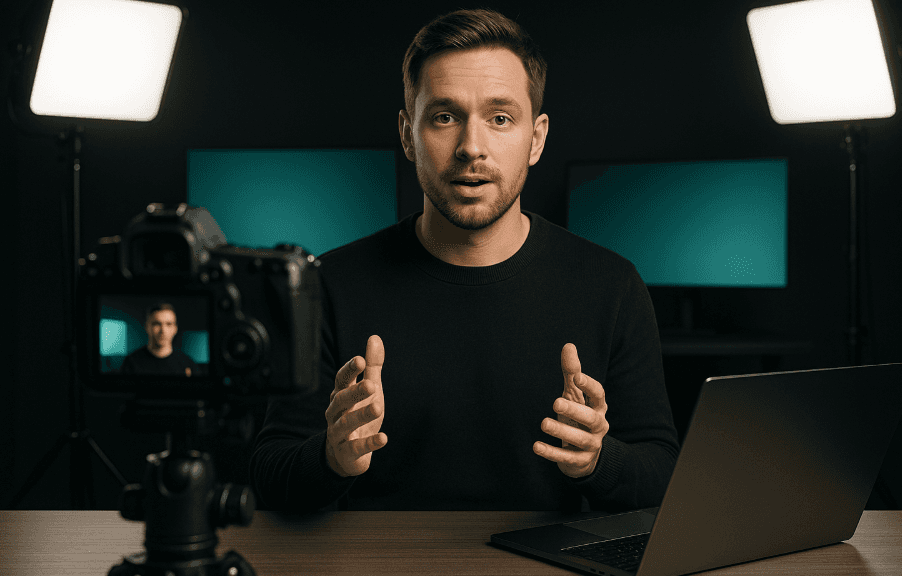
streaming en vivo

What type of event is it?
100% digital events broadcast live: webinars, online concerts, virtual classes, talks, digital launches.

When to use this type of event:
When your audience is global or dispersed, when venue costs are not justified, or when content is specifically digital.

Characteristics in production of online events:

  • Lower production costs (no physical venue)

  • Potentially global reach

  • Recording available (additional value)

  • Technology: Zoom, Google Meet, YouTube Live, Twitch

Common models:

  • Free webinar (lead magnet, sell something later)

  • Paid webinar

  • Online masterclass

  • Streaming concert

Operational considerations of an online event:

  • Immediate access delivery (unique link post-purchase)

  • Technical testing beforehand (audio, video, connection)

  • Backup plan (if main platform fails)

  • Chat moderation (if interactive)

  • Recording available (typically 48 hours later)

Common mistakes: Not testing technology beforehand (live problems)
Public link (anyone enters without paying)
No plan B if connection fails
Excessive duration without breaks (online attention is shorter)

Specific tip:
In streaming, the first technical impression is critical. If the first 3 minutes have audio or video problems, you lose credibility and people. Invest in a good camera, decent microphone, and stable connection. That is worth more than the content.

Key tools:
System that automatically sends unique links post-purchase, access validation (do not allow unauthorized entries), automatic reminders (people forget online events more than in-person).

13. Brand Activations (Brand Experiences)
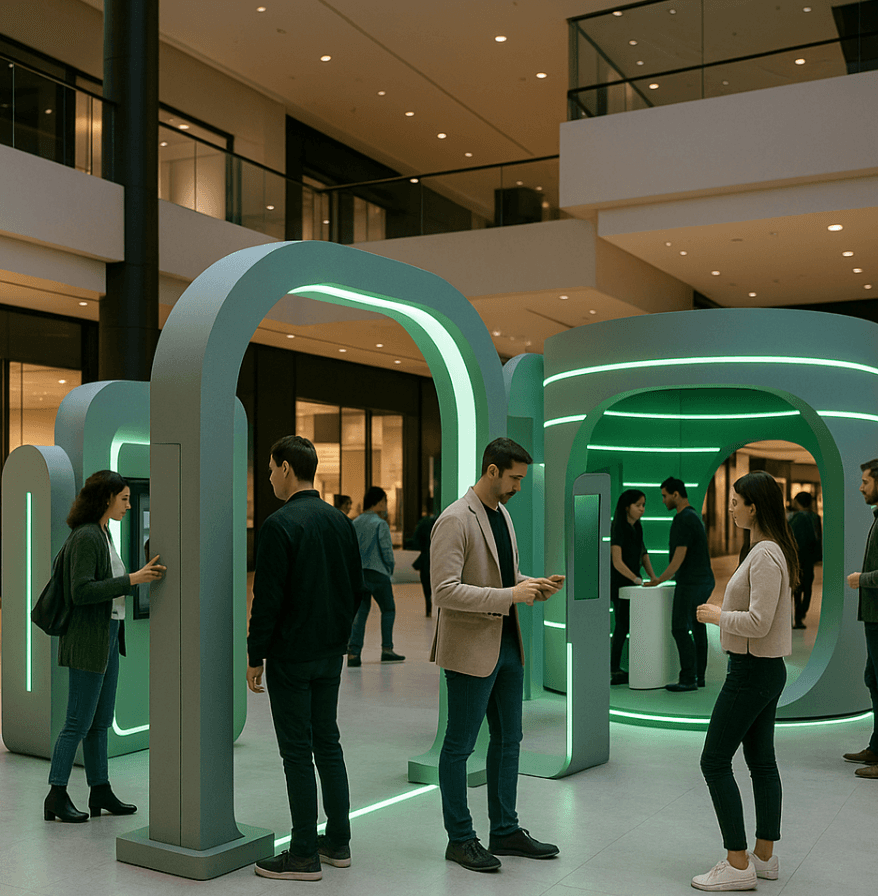
What type of event is it?
Experiences designed by brands to generate engagement, awareness, and recall: pop-ups, immersive experiences, product sampling, lifestyle events.

When to use this type of event:
When the primary goal is branding, not direct selling. You want people to "live the brand."

Characteristics in organizing brand events:

  • Financed by brands (not by tickets)

  • Free or symbolic entrance

  • Experiential design (Instagram-worthy)

  • Duration: days or weeks (temporary installations)

  • Locations: urban spaces, shopping malls, massive events

Real examples:

  • Red Bull: extreme sports experiences

  • Coca-Cola: immersive spaces with games

  • Tech brands: product demos

  • Breweries: tastings and pairings

Considerations in planning a brand event:

  • Registration for capacity control (even if free)

  • Omnipresent branding (the brand is the protagonist)

  • Designed photo-ops (for sharing on social networks)

  • Data capture (leads for the brand)

Key tip:
In activations, data is gold. Even if the entrance is free, ask for registration. Brands pay for qualified leads. An event that captures 5,000 emails with marketing permissions is worth much more than one that let 5,000 anonymous pass.

Key tools (for agencies/producers):
Total white-label (the client wants it to seem like the brand developed everything internally), registration with custom fields (capture relevant data for the client), complete data export, detailed participation reports.

14. Microevents or Boutique Events
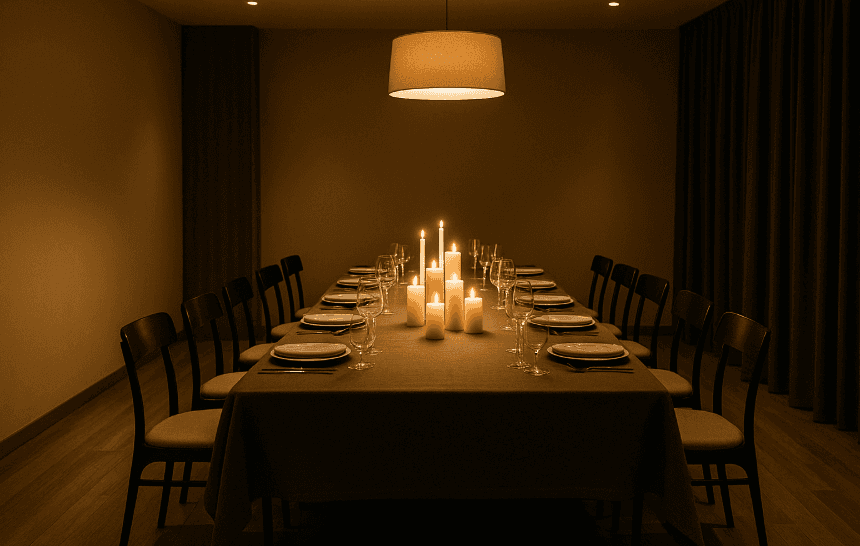
microeventos o eventos boutique

What type of event is it?
Small, exclusive, and highly personalized experiences: private dinners, tastings, master classes, intimate gatherings, acoustic showcases.

When to use this type of event:
When the value is in exclusivity, intimacy, and personalization. You don't scale in quantity, you scale in experience.

Characteristics in organizing boutique events:

  • Very limited capacity (10-40 people)

  • Highly personalized experience

  • Select and engaged audience

  • Locations: private spaces, homes, studios, galleries

Business model:
You don't compete by volume; you compete by perceived value. A microevent for 20 people with high quality generates significant results with a fraction of the logistical complexity of a massive event.

Common mistakes: Communicating as a massive event (breaks the perception of exclusivity)
Overselling capacity (destroys the intimacy you sold)
Not caring for every detail (in premium events, everything is noticeable)

Specific tip:
In boutique events, white-label is even more critical. Your premium audience wants to feel they're at YOUR event, not on a third-party platform. Own domain, personalized communication, zero references to massive ticket platforms.

Key tools:
Total white-label, personalized communication (emails with name, not mass), unique access codes, premium purchase experience (elegant checkout, without friction).

How to choose the right type of event according to your goal
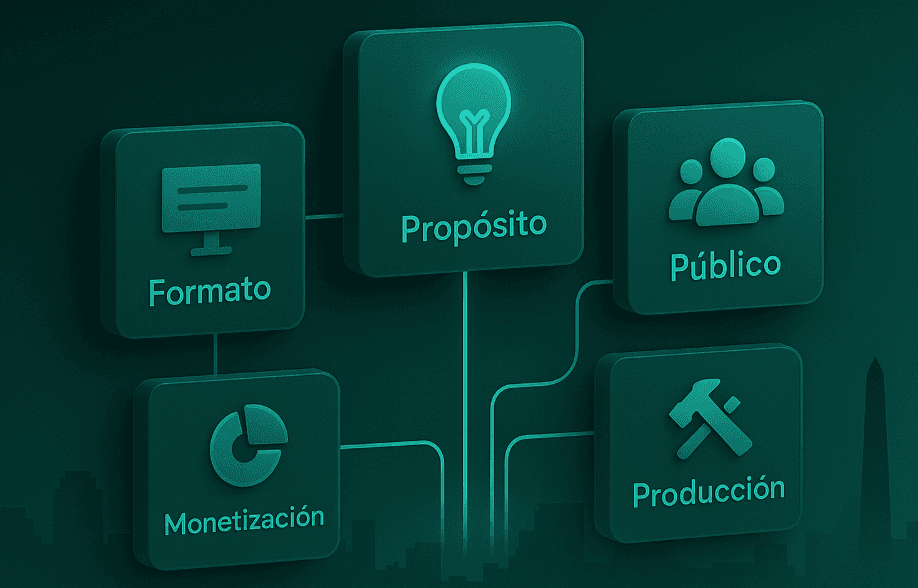
como elegir el tipo de evento correcto segun tu objetivo

Choosing well is not guessing; it's matching goals with formats. Here's the process:

1. Define the main goal of an event

It can't be "to do an event". It has to be specific:

  • Educate: Workshop, conference, webinar

  • Entertain: Concert, party, festival

  • Connect (networking): Corporate events, B2B conferences

  • Sell: Fairs, expos, trade activations

  • Generate awareness: Brand activations, immersive experiences

  • Celebrate: Social events, themed parties

  • Compete: Sporting events

2. Know your target audience

Ask:

  • How old are they?

  • Where are they geographically?

  • What do they consume habitually? (theater, music, sports, trainings)

  • How do they hear about events? (Instagram, email, word of mouth)

  • What are their expectations?

Example: If your audience is 45-65 years old, a streaming on Twitch is not the format. A in-person conference with a coffee break works better. If your audience is 18-25, an event-only in-person limits reach; consider hybrid.

3. Evaluate your operational capacity to produce the event

Ask honestly:

  • Do I have a team or am I going solo?

  • Do I have experience in this format?

  • Do I have time for complex coordination?

  • Do I have a network of providers (sound, lights, catering)?

If this is your first event, start simple. Don't make a 3-day festival your first project. Do a one-night showcase. Learn, iterate, scale.

4. Consider the event context and timing

Complicated months for events:

  • January (vacations, dispersion)

  • February (half still on vacation)

  • December (end of year, holidays)

Months with more activity:

  • March-April (everyone launches post-vacations)

  • September-November (spring, cultural events)

Consider long holidays, long weekends, school vacations.

5. Validate before committing to the organization of the event

"Pirate event" technique:
Before investing in full production, validate interest:

  • Set up a landing page with event description

  • Add "notify me when tickets are out" button

  • Run small ads to target audience

  • If you get 200+ interested emails: there's a market

  • If you get 20: rethink format or audience

Common Mistakes in Choosing Different Types of Events (and How to Avoid Them)
evitar estos errores

Error #1: Choosing based on what you like, not what the market needs

Symptom: "I love jazz, I'm going to do a jazz festival".
Problem: If your city has 3 people who consume jazz, there's no market.
Solution: Validate demand before deciding format.

Error #2: Copying successful format without understanding why it worked

Symptom: "So-and-so did event X and filled it, I'm going to do the same".
Problem: You don't see hidden variables (their previous audience, their context).
Solution: Understand conditions that made it work, not just the format.

Error #3: Underestimating operational complexity in event production

Symptom: "How hard can it be to organize a festival?"
Problem: Very hard. It's 47 providers coordinated, 12 permits, 200 potential risks.
Solution: Start with smaller scale events, gradually add complexity.

Error #4: Depending on an external marketplace to build your brand

Symptom: "I'll list my event on MassivePlatform and wait for people to find me".
Problem: You build the marketplace's brand, not yours. Your database isn't yours. You lack remarketing.
Solution: Use white-label. Sell under your domain. Build your own audience.

Error #5: Checkout not designed for mobile in event ticket sales

Symptom: Checkout with 47 fields, takes 3 minutes to load, requires manual card entry.
Problem: 80% of your buyers are on mobile. If the experience is bad, they abandon.
Solution: Mobile-first checkout, integration with Mercado Pago (saved cards), minimum necessary fields.

Error #6: Not activating remarketing in event ticket sales

Hard reality: Between 60-80% of people who add tickets to cart DON'T buy at that moment.
Error: Letting them go without trying to recover them.
Solution: Automatic remarketing with AI that sends recovery sequences. You can recover 15-20% of those lost sales.

Error #7: Not considering Argentine calendar timing in event planning

Problem: Launching event in January when everyone is on vacation, or competing with 15 similar events the same weekend.
Solution: Review your city's/niche's event calendar before confirming date.

Quick Checklist for Event Organizers
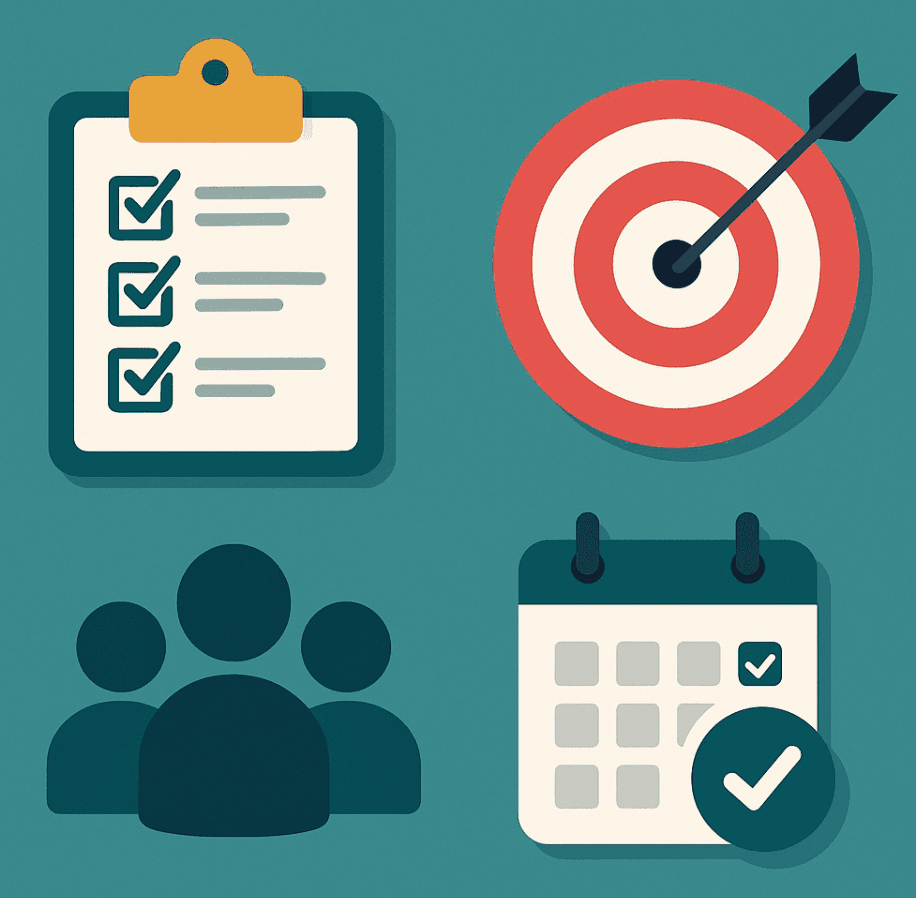
checklist, cosas a tener en cuenta

Before confirming your event type, check:

Strategy:

  • Clear and specific event goal

  • Defined target audience (age, location, interests)

  • Format aligned with goal and audience

  • Validated date (doesn't compete with similar events, doesn't fall in dead months)

Operation:

  • Venue/location confirmed (or platform if virtual)

  • Identified providers (sound, lights, catering, etc.)

  • Defined work team (or decision to go solo)

  • Production timeline set

  • Plan B for contingencies

Event Ticket Sales:

  • Defined ticketing platform (ideally white-label)

  • Configured own domain

  • Optimized mobile-first checkout

  • Integration with Mercado Pago (direct payments)

  • Activated automatic remarketing

  • Email marketing prepared

  • Defined discount codes/early birds

Communication:

  • Diffusion strategy planned (social media, ads, email, press)

  • Graphic materials ready

  • Defined communication calendar

What Each Type of Event Needs to Sell Tickets Professionally
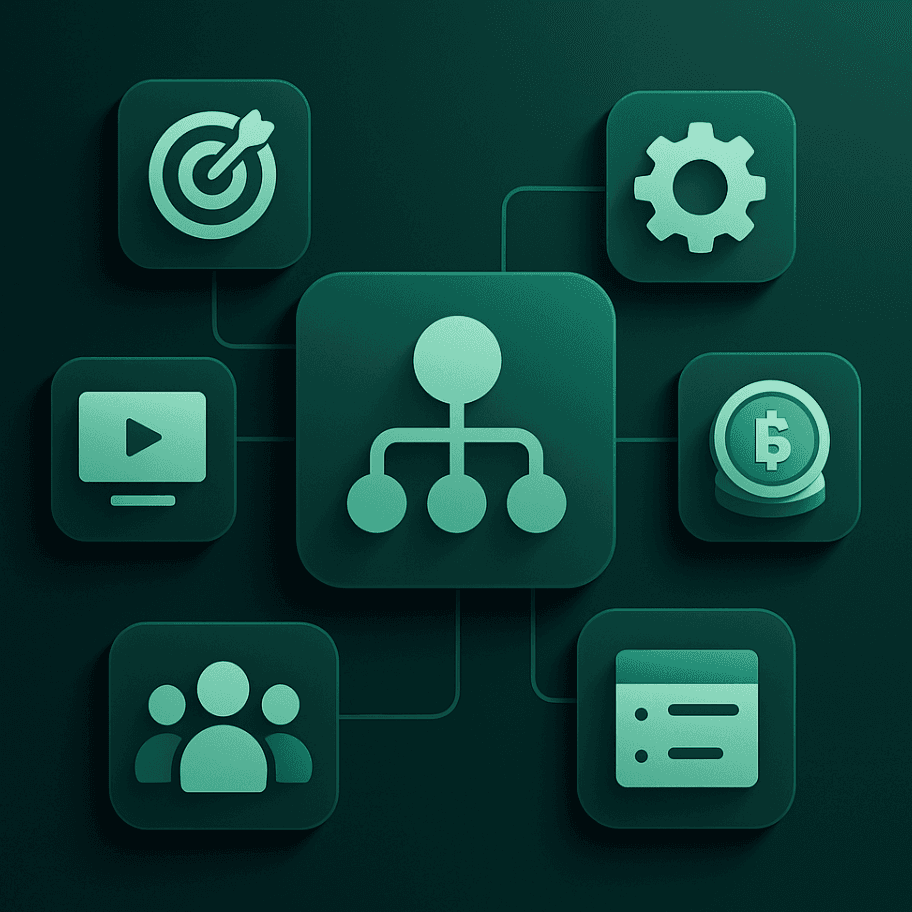
funcionalidades necesarias para eventos

Regardless of the type you choose, if you're going to sell tickets, you need:

1. White-label and own domain

Why: People trust more when buying from the official organizer's domain. An event looks more solid when its page is yourname.com.ar and not massiveplatform.com/event-12345.

Impact: Increases conversion, builds own brand, generates perception of professionalism.

2. Direct collection via Mercado Pago

Why: In Argentina, Mercado Pago is the most trusted and used payment method. Having direct integration (not intermediated) means:

  • You collect in your account

  • No platform withholdings

  • All methods (saved cards, wallet, installments, QR)

Impact: More payment methods = more conversion. Faster liquidity.

3. Mobile-first checkout

Why: More than 70-80% of ticket purchases occur from a phone. If your checkout isn't optimized for mobile, you're losing most of your potential sales.

Key characteristics:

  • Loads in <2 seconds


  • Minimum necessary fields

  • Large, tactile buttons

  • Autocomplete

  • Mercado Pago with saved cards (one click)

Impact: Difference between 40% and 70% conversion.

4. Automatic remarketing AI

Why: 60-80% of those who add to cart don't buy at that moment. An AI remarketing system:

  • Automatically detects abandonments

  • Sends personalized recovery sequences

  • Works 24/7 without human intervention

  • Recovers 10-20% of those lost sales

Impact: Significant recovery of sales without extra effort.

5. 100% your own and exportable database

Why: Buyers of this event are your audience for the next. If the platform retains the data, you're building the asset of another.

What you need:

  • Unlimited export in CSV/Excel

  • No usage restrictions

  • Zero mix with other organizers' data

  • Able to segment and use for remarketing

Impact: Each event builds your community. In the long term, this is worth more than any punctual savings.

6. Real-time panel

Why: You need to make decisions fast during pre-sale. Is the Instagram campaign working? Which ticket type sells best? At what time are most sales?

Key metrics:

  • Sales by hour/day

  • Origin channels

  • Best-selling ticket types

  • Attendance projection

  • Automatic alerts

Impact: You can adjust strategy while the sale is active, not afterward when it's too late.

How Fanz Powers Each of the Different Types of Events

Fanz is a platform specialized exclusively in ticket sales, designed for organizers who want professionalism without relying on external marketplaces.

Real functionalities (active today, not roadmap):

White-label ticketing
Your domain, your logo, your identity. The buyer never sees "Fanz."

Direct collection with Mercado Pago
No intermediations. Funds go from MP to your account according to their times.

Automatic AI remarketing
Intelligent bots recover abandoned carts 24/7.

Integrated email marketing
Create campaigns, segment audience, send communications directly from the panel.

Mobile-first checkout
Optimized for conversion on cell phones (where 70-80% of sales occur).

100% your own database
0% shared use. Unlimited export. No restrictions.

Modern real-time panel
Updated metrics every seconds for informed decisions.

24/7 chatbot
Automatically answers queries (availability, location, payment methods).

For which types of events it works especially well:

  • Concerts/shows: Remarketing recovers carts, fast checkout increases conversion

  • Theater: Email marketing maintains communication during long season

  • Conferences/workshops: Custom fields capture relevant info, database for follow-up

  • Festivals: Real-time panel + remarketing + multiple ticket types

  • Corporate events: Total white-label gives perception of internal development

  • Parties/nightlife: Ultra-fast mobile-first checkout, instant validation

  • Hybrid events: Management of two ticket types (in-person + virtual) with differentiated access

What Fanz does NOT do:
❌ Not a marketplace (you don't have "platform traffic")

For whom Fanz is:
✅ Organizers who want to build their own brand
✅ Producers with multiple recurring events
✅ Venues that need their own ticketing
✅ Festivals that prioritize audience loyalty
✅ Anyone who values data control and autonomy

FAQ: Frequently Asked Questions About Different Types of Events

General Questions

What is the most profitable type of event in Argentina?

There's no single answer because "profitable" depends on your scale and operational capacity. If we had to rank by potential ROI, workshops and trainings lead due to low production costs and high perceived value, followed by theater with long seasons that amortize initial investment in 3 months of shows with loyal audience. Corporate events are also profitable with robust budgets although require a B2B contact network, and boutique microevents offer high profitability with premium experience and minimal logistics. The least profitable are usually large festivals due to high investment and many risks with tight margins, and free cultural events without direct monetization.

Do I need to sell tickets for all types of events?

Not necessarily, some formats do not require sales. Private social events, brand activations funded by sponsors, internal corporate events, and some free cultural events do not need tickets. On the other hand, tickets are definitely needed for concerts and shows, theater, paid conferences and workshops, festivals, sporting events with spectators, and nightlife parties. There's a gray area where cultural events may be free with registration and webinars may serve as free lead magnets without direct charging.

Can I combine different types of events?

Absolutely, and indeed the most successful events tend to be hybrids. A festival combines concerts with gastronomic fair and brand activations, a conference integrates talks with workshops and networking, and a corporate event may include training, team building, and dinner. The key is that each component is well executed and the whole has coherence so that the experience works as an integrated system rather than disconnected activities.

About Event Ticket Sales

How early should I start selling event tickets?

Timeline depends on the event type and your marketing capacity. Indie small concerts need 3-6 weeks before, medium ones 2-3 months, theater with season requires 3-4 weeks before the premiere renewing weekly communication, conferences and workshops 4-8 weeks, festivals 4-6 months with staggered sales, sporting events 2-4 months for early registrations, and nightlife parties only 1-2 weeks since the purchase is impulsive and last-minute. The golden rule of early bird works if you communicate it well: people buy early when the discount is significant, the deadline is clear, and FOMO is real with messages like "only 100 early birds available."

What should I do if event tickets don't sell?

First diagnose the problem by identifying if it’s a value proposition issue (the event isn’t interesting to your audience or there's direct competition on the same day, solution: rethink lineup or change date), reach issue (your audience isn't finding out or you use wrong channels, solution: try other channels and activate influencers or press), or conversion issue (people visit the site but don't buy due to slow or complicated checkout, limited payment methods or no remarketing, solution: optimize checkout, activate automatic remarketing, and add Mercado Pago with saved cards). Last-minute tactics with 2 weeks before include flash discounts, exchanges with influencers providing free tickets for promotion, email blast to your entire base, aggressive remarketing with ads to all who visited, and activate FOMO with "last tickets, selling out" messages.

How do I know how many tickets I will sell at the event?

There's no crystal ball but you can project based on industry benchmarks (emerging artist 100-300 people, medium artist with fanbase 500-2,000, off-theater play 50-80 per show, specialized workshop 20-60, indie festival 1,000-5,000), your database if you have 5,000 emails waiting for 20-30% to open your launch email, 5-10% of those to click, and 20-30% of clickers to buy (math: 5,000 x 25% x 7% x 25% = approximately 22 sales from your organic base), and interest test with landing page asking "notify me when tickets are out" where if you get 200+ interested emails there's a market but if you get 15 you need to rethink.

Is it better to sell in stages (early bird, regular, door) or single price at events?

Stage selling is better in 90% of cases because it creates urgency with the message "buy now or pay more later," funds production by giving you cash in advance with early birds, and reduces risk because if you don't sell in early birds you have early signal to rethink. The typical structure includes super early bird for the first 100 tickets or first 2 weeks, early bird until 1 month before, regular price until the day of the event and door if you allow door sales. The exception are premium or boutique events where pricing is part of positioning and may favor single price from the start to reinforce exclusivity perception.

About Technology and Platforms for Event Management

Do I need my own domain to sell event tickets?

It's not mandatory but highly recommended if you're going to do events recurrently building brand event to event, your event has strong identity like festival, venue or production company, you want people to feel they're buying on "your site" and not third-party platforms, or you prioritize long-term brand building. Concrete benefits include 15-25% better conversion as people trust more, SEO where your domain ranks instead of the platform's, direct remarketing installing your pixels, and amplified professional perception. It's less critical when you do a unique non-recurrent event or lack technical capacity or time for initial setup.

What is automatic remarketing and does it really work in event ticket sales?

Automatic remarketing is a system with AI that detects when someone abandons the purchase cart and automatically sends personalized messages to encourage completion, functioning like this: user adds 3 tickets to cart, gets distracted and closes the page, bot detects abandonment, 1 hour later sends an email "Your tickets are waiting for you," 24 hours later "Few tickets left, don't miss out" and 48 hours later "Last chance." Yes, it works according to real data: 60-80% of carts are abandoned, automatic remarketing recovers 10-20% of those abandonments, and for an event selling 500 tickets that's 50-100 additional sales without doing anything. Requirement is you need a platform integrated like Fanz because it doesn't work on traditional marketplaces where you don't control communication.

Which platform suits me if I'm starting in event organization?

Depends on your medium-term plan: if starting but planning to hold events recurringly, Fanz with white-label is convenient as initial investment in domain and branding setup amortizes in the second event and you build your database from event 1, but if your first event is a test and you don’t know if you’ll continue, you can start with marketplace to simplify setup although consider you’ll lose the database and need migration if continuing. Recommendation is starting with white-label if you have minimum vision of more than 2 events as learning curve is minimal and compound benefit is enormous long-term.

Can I sell tickets without platform, only via Instagram or WhatsApp?

Technically yes, but it's operationally challenging due to multiple issues: you lack unique QR per ticket complicating control at the door, no traceability so you don't know who paid and who didn't, without valid receipt you lack backup if someone complains, not scalable since with 50 sales chaos ensues, and generates amateur perception reducing professionalism. It can work in very specific cases such as very small events with 15-20 people, known public like friends or closed community, or where no invoice or formality is needed, but for events with 50+ people use professional platform as operational benefit far outweighs cost.

About Strategy and Execution in Event Production

How do I promote my event without budget?

Organic options include using your database if you have it with email blast or WhatsApp broadcast achieving 5-15% conversion rate if hot audience, organic social networks like Instagram with posts, stories and reels though organic reach is low at 3-5% of followers, Facebook creating public event and inviting friends, or TikTok if your audience is sub-30 where viral video can fill the event though not predictable. Partnerships also work making alliances with spaces or brands to spread to their audience, exchanges with influencers granting free tickets for posts, media sending press releases, and word of mouth incentivized with referral programs like "bring a friend and both get a discount" or raffles among those who share stories tagging the event. Reality is without budget your sales will be proportionate to the size of your existing network.

What do I do on event day with the tickets?

Operational checklist includes testing validation app scanning test QRs 2-3 hours before, verifying WiFi or 4G connection at the door, printing attendee list as backup if technology fails, and conducting briefing with door team. Then for validation scan QR with the app, if it doesn’t work search by name on the list, mark "already entered" to avoid duplicates, and solve problems like misplaced ticket or phone without battery. During the event monitor real-time panel viewing how many entered versus how many sold, have email or WhatsApp available for inquiries, manage waitlist if it’s sold out, and post-event export final attendee list, send thank you with satisfaction survey, and analyze show-up and no-show metrics. Critical tip is no-show varies greatly between paid events with 5-15% versus free events with 30-50%, so solution is oversell 10% if paid or 40-50% if free to compensate for absentees.

Conclusion: Choosing the Right Type of Event Defines Your Success

The difference between a successful event and one that doesn’t fill is not just in the budget or promotion: it's in choosing the correct format from the start.

Each event type has its own logic, specific audience, operational challenges, and tool requirements. A concert is not managed like a workshop, a festival is not sold like a nightlife party, and a corporate event does not communicate like a boutique microevent.

Professional organizers understand this:

  • They match format with the goal - They don't force a type of event because "they like it" but because it best achieves what they’re looking for

  • They know their audience - They know what they expect, how they consume, how much they pay, and how they find out about events

  • They use the right tools - White-label with own domain, mobile-first checkout, automatic remarketing with AI, and 100% own database

  • They think long-term - Each event builds their brand and community, not relying on external marketplaces

The technology you use for ticket sales directly impacts your results. A slow checkout can cost 30% conversion. Without automatic remarketing, 60-80% of abandoned carts are lost forever. Without own database, each event starts anew.

Fanz is designed for organizers who understand this: real white-label, direct collection via Mercado Pago, automatic AI remarketing, integrated email marketing, real-time panel, and 100% your own database. Everything you need for each event type to function professionally.

No matter if you organize concerts, festivals, theater, conferences, or corporate events: the type of event you choose defines your strategy, and the tools you use define your results.

Ready to professionalize the ticket sales of your events? Discover how Fanz can help you at fanz.com.ar

Event Types: Complete Guide for Organizers in Argentina 2025

tipos de eventos en Argentina

Choosing the correct event format can mean the difference between a resounding success and a half-empty room. It's not just about "doing something," but understanding what type of experience generates the result you seek: engagement, sales, community, brand awareness, or education.

In Argentina, where massive concerts in Vélez coexist with intimate workshops in Palermo cafés, each type of event has its own dynamics, specific audience, and particular operational challenges. And if you're going to sell tickets, the differences multiply: you don't manage a concert for 5,000 people the same way as a workshop for 30.

This guide analyzes the 14 most common types of events in Argentina, focusing on what works, what the audience seeks in each, what tools you need, and what mistakes can sink you before starting.

What is meant by "types of events"?

When we talk about types of events, we refer to categories that group experiences with similar characteristics in terms of:

  • Purpose: Why does the event exist? (entertain, educate, connect, sell, celebrate)

  • Format: How is it structured? (in-person, virtual, hybrid)

  • Audience: Who is it aimed at? (general, segmented, corporate, niche)

  • Production: What level of complexity does it have? (from a Zoom talk to a 3-day festival)

  • Monetization: How is it financed? (tickets, sponsors, free)

Why it matters to choose the event type wisely:

Choosing the wrong type can mean:

  • An audience that doesn't connect with the format

  • Unmet expectations

  • Inadequate sales tools

  • Poorly allocated resources

Real example: An organizer planned a 4-hour "conference" with speakers. The audience expected networking and breaks, but the format was just talks without pauses. Result: 40% abandoned after the first hour. The problem wasn't the content; it was the chosen format.

The 14 Different Most Used Types of Events in Argentina

1. Social Events

eventos sociales

What type of event is it?
Private or semi-public celebrations: birthdays, anniversaries, weddings, baby showers, graduation parties.

When to use this type of event:
When the goal is to celebrate a personal or group milestone in an intimate or controlled setting.

Characteristics in organizing a social event:

  • Generally private (closed guest list)

  • High emotional investment

  • Locations: party halls, estates, outdoor spaces

  • Rarely involve ticket sales (except graduation parties or open themed events)

Operational considerations of the event:

  • If selling tickets: you need a whitelist (access codes) and strict validation at the door

  • Communication: digital invitations, WhatsApp, private networks

  • Expected audience: 30-300 people (depending on the type)

When NOT to choose this format:
If your goal is to build community in the long term or generate recurring revenue. Social events are unique experiences, not series.

2. Cultural Events

eventos culturales

What type of event is it?
Activities related to art, literature, film, heritage: film cycles, exhibitions, literary talks, cultural tours, projections, book presentations.

When to use this type of event:
When you seek to educate, sensitize, or connect audiences with artistic or heritage content.

Characteristics in the production of a cultural event:

  • Segmented and loyal audience (cultural niche)

  • Generally accessible or free entrance (with sponsor)

  • Common locations: cultural centers (Konex, CCK, Malba), libraries, galleries

  • Communication: newsletters, cultural Instagram, word of mouth

Useful data:

  • Typical attendance: 50-500 people

  • High no-show rate if free (40-50%)

Operational tip:
If your cultural event is free, still ask for registration. Two benefits: you control capacity and build a database for future events. Send a reminder 24 hours before (reduces no-show).

Key tools:
Ticketing system that allows free issuance but with capacity control. Email marketing for post-event communication.

3. Concerts and Musical Shows

recitales

What type of event is it?
Live musical performances: from independent bands in bars to massive stadium shows.

When to use this type of event:
When the goal is pure entertainment and the product is live music.

Characteristics in organizing musical events:

  • One of the most massive and competitive formats

  • Diverse age audience according to musical genre

  • Locations: from bars (100 people) to stadiums (50,000+)

  • Ticket sales are critical: defines economic viability

Argentinian market data:

  • Scales from emerging bands to international artists

  • Venue commissions typically between 20-30% of gross (if they charge commission + rent)

Challenges in event management:

  • High competition (multiple shows on the same day)

  • Tandem sales (early bird, regular, door)

  • Strict capacity management (municipal permits)

  • Quick validation at the door (avoid queues)

Common mistakes: Underestimating production costs (sound, lights, backline)
Not activating remarketing (60-70% cart abandonment)
Depending on door sales (operational risk)

Key tools:
Mobile-first checkout (70% buy from phone), automatic remarketing, offline QR system, real-time panel to adjust strategy during pre-sale.

4. Theater and Performing Arts

teatros y artes escénicos

What type of event is it?
Plays, stand-up comedy, dance, musical theater, performance art.

When to use this type of event:
When narrative or performative format is central to the experience.

Characteristics in the production of theatrical events:

  • Long seasons (plays with multiple shows)

  • Faithful and recurring audience

  • Locations: independent theaters, off, commercial, alternative

  • Sales by show or subscription

Useful data:

  • Target occupation: 70-80% (below that, economically unfeasible)

  • Shows per week: 3-8 depending on scale

Considerations in event organization:

  • Seat selection (seat maps)

  • Group discounts

  • Weekly communication (reminding each show)

  • Own database (critical for future seasons)

Key tip:
In theater, the value is in recurrence. A play that lasts 3 months with 4 shows per week needs sustained communication strategy. Integrated email marketing is essential: weekly reminders to your base generate 30-40% of sales.

Key tools:
Management of multiple shows, seat maps, discount codes (for groups, students, retirees), exportable database.

5. Corporate Events

eventos corporativos

What type of event is it?
Activities organized by companies for their employees, clients, or stakeholders: team building, annual dinners, product launches, kick-offs, corporate presentations.

When to use this type of event:
When the goal is to strengthen internal culture, align teams, celebrate achievements, or generate B2B networking.

Characteristics in organizing corporate events:

  • Nominal invitations (no public sales)

  • Strict corporate branding

  • Locations: hotels, convention centers, corporate spaces

  • Typical capacity: 50-500 people

Operational considerations of a corporate event:

  • Registration with validation (only authorized corporate emails)

  • RSVP confirmation

  • Billing in the company's name

  • Premium experience expected

Key tip:
In corporate events, branding is non-negotiable. The company wants everything to look internally developed. You need total white-label: own domain (e.g., kickoff2025.company.com), design with corporate palette, zero references to third-party platforms.

Key tools:
White-label with own domain, custom fields in registration (company, area, position), unique access codes, detailed HR reports.

6. Conferences and Workshops

workshops

What type of event is it?
Educational events: technical talks, training, practical workshops, seminars, masterclasses.

When to use this type of event:
When the primary goal is to transfer specific knowledge and generate applicable learning.

Characteristics in organizing educational events:

  • Duration: 2 hours to 3 days (depending on format)

  • Audience: professionals seeking upskilling

  • Locations: co-works, universities, training centers, online

  • Monetization: ticket sales (knowledge is the product)

Useful data:

  • Typical capacity: 20-200 people (depending on format)

  • Formats vary from practical to theoretical

Common formats of educational events:

  1. Practical workshop: 20-40 people, high interaction, exercises

  2. Technical conference: 100-500 people, multiple speakers, networking

  3. Masterclass: 15-30 people, premium expertise

Considerations in planning an educational event:

  • Registration with detailed information (company, experience, expectations)

  • Pre-event materials (sent before the event)

  • Certificates of attendance (automatic generation)

  • Post-event follow-up (content, community)

Common mistakes: Not validating prior knowledge level (very heterogeneous audience)
Overselling capacity (workshops need an interaction limit)
No follow-up strategy (the value is in the post-event community)

Key tools:
Custom fields in checkout (capture relevant info), automated email marketing (pre-event materials, reminders, follow-ups), data export for post-event analysis.

7. Festivals

festivales

What type of event is it?
Multi-activity events of one or more days: music festivals, gastronomy, cinema, literature, art, craft beer.

When to use this type of event:
When you want to create an immersive experience that combines multiple attractions and generates prolonged public stay.

Characteristics in organizing a festival:

  • High logistical complexity

  • Multiple providers and coordination

  • Locations: parks, closed venues, rural spaces

  • Duration: typically 1 to 5 days

Typical event scales of this type:

  • Indie festival (1 day, 5 bands): 500-2,000 people

  • Medium festival (2 days, multiple stages): 5,000-15,000 people

  • Large festival (3+ days, international): 30,000-100,000+ people

Types of tickets at events:

  • Day pass (specific day)

  • Weekend pass (all days)

  • Early bird (pre-sale discount)

  • VIP (premium access, catering, exclusive area)

  • Backstage pass (total access)

Challenges in event management:

  • Sector capacity management

  • Multi-point validation (multiple simultaneous entries)

  • Continuous communication (schedule changes, weather)

  • Emergency logistics

Critical tip:
Festivals are sold in stages. People don't decide in one moment: they see the lineup, wait, compare, return days later. Automatic remarketing is the difference between 60% occupancy and sold-out. Abandoned carts at festivals are very high (70-80%) because the decision is not impulsive.

Key tools:
Real-time panel (adjust strategy during pre-sale), automatic remarketing with AI (recover undecided), management of multiple ticket types, validation system that scales to multiple concurrent points.

8. Fairs and Expos

ferias y expos

What type of event is it?
Commercial events where multiple exhibitors present products/services: gastronomic, technological, design fairs, book, agricultural, real estate expos.

When to use this type of event:
When the goal is to concentrate supply and demand in one physical space to facilitate discovery, comparison, and transaction.

Characteristics in organizing trade fairs:

  • Hybrid models (exhibitors pay stand + public pays entrance OR free entrance)

  • Duration: typically 2-7 days

  • Locations: La Rural, convention centers, exhibition grounds

  • Audience: general or segmented (B2B vs B2C)

Useful data:

  • Typical attendance: 5,000 - 100,000+ people (depending on scale)

  • Multiple attendee profiles

Types of tickets at events:

  • General visitor

  • Sector professional (B2B)

  • Press

  • Exhibitor

  • VIP / sponsors

Considerations in event management:

  • Zone access control (public area vs professional area)

  • Rapid validation (high volume entry)

  • Registration with professional information (for B2B fairs)

  • Differentiated communication by attendee type

Key tools:
Management of multiple types of tickets with differentiated permissions, multi-point validation, real-time attendance reports by zone, segmented database.

9. Sporting Events

eventos deportivos

What type of event is it?
Competitions, tournaments, races, exhibitions: marathons, amateur soccer tournaments, cycling races, crossfit competitions, friendly matches.

When to use this type of event:
When sport is the product and competition or participation is the goal.

Characteristics in organizing sporting events:

  • Participant audience + spectator audience

  • Anticipated registrations (limited quotas)

  • Specific requirements (age, category, equipment)

  • Locations: stadiums, urban circuits, clubs, open spaces

Market data:

  • Scales from amateur events to elite competitions

  • Participation varies from 50 to 10,000+ people depending on discipline

Considerations in planning a sporting event:

  • Registration with medical data (health declaration)

  • Categories by age/gender/level

  • Capacity limits (for safety)

  • Kit delivery (shirts, numbers, chips)

  • Validation on event day (early accreditation)

Specific tip:
In sporting events, the registration deadline is real (you need to produce kits, number participants, coordinate logistics). Clearly communicate the deadline and activate remarketing 48-72 hours before closing.

Key tools:
Extensive custom fields (medical data, emergency, category), strict capacity limits, automated communication (pre-event instructions, meeting point), data export for logistics.

10. Parties and Nightlife

fiestas

What type of event is it?
Nocturnal entertainment events: club parties, after office, themed parties, raves, electronic events.

When to use this type of event:
When the goal is nighttime entertainment and socialization in a festive environment.

Characteristics in organizing nightlife events:

  • Young audience (mostly 18-35 years old)

  • Impulsive purchase decision (buy on the same day)

  • Hours: typically 12:00 AM - 6:00 AM

  • Locations: clubs, discos, warehouses, alternative spaces

  • Frequency: Weekly or bi-weekly (high recurrence)

Operational considerations of a nightlife event:

  • 90%+ mobile purchase (no one buys from desktop)

  • Ultra-fast checkout (maximum 3 clicks)

  • Fast validation (queues kill the experience)

  • Whitelist (guests, HR, press)

  • Flash promotions (discounts by entry time)

Fatal errors: Slow checkout (they abandon and go to another club)
No remarketing (they buy last minute, you need to remind them)
Not offering Mercado Pago with saved card (friction = lost sale)

Critical tip:
In nightlife, speed is EVERYTHING. The entire process should take less than 30 seconds. If you ask for ID, phone, address, and 5 more data, people abandon. Ask for the minimum: name + email. Done.

Key tools:
Ultra-optimized mobile-first checkout, Mercado Pago with saved cards, instant validation QR, automatic remarketing (people decide at 11:00 PM if they go out).

11. Hybrid Events (In-person + Virtual)

eventos híbridos

What type of event is it?
Events that occur simultaneously in a physical space and online broadcast: conferences, congresses, launches, trainings.

When to use this type of event:
When you want to maximize reach without sacrificing the in-person experience, or when your audience is geographically dispersed.

Characteristics in organizing hybrid events:

  • Consolidated model post-pandemic

  • Differentiated pricing (virtual is usually more accessible)

  • Streaming + in-person technology

  • Dual interaction (in-person + online chat)

Useful data:

  • Typical ratio: 60% virtual / 40% in-person

  • Technology: Zoom, StreamYard, OBS + local production

Considerations in managing a hybrid event:

  • Two types of tickets with different access (QR at door vs unique link)

  • Differentiated communication (different instructions)

  • Dual production (cameras for streaming + in-person experience)

  • Synchronized timing (breaks, Q&A)

Specific challenges:

  • Maintaining virtual audience engagement (more difficult than in-person)

  • Technical problems live (internet, audio, delay)

  • Experience difference (in-person has higher perceived value)

Key tip:
In hybrid events, sell the value difference honestly. Don't say "it's the same online experience." Clearly explain what each type of ticket includes. Transparency = fewer complaints.

Key tools:
Management of two types of tickets with differentiated access, automatic sending of unique links for virtual attendees, QR validation for in-person attendees, communication segmented by ticket type.

12. Live Streaming (Exclusively Online)

streaming en vivo

What type of event is it?
100% digital events broadcast live: webinars, online concerts, virtual classes, talks, digital launches.

When to use this type of event:
When your audience is global or dispersed, when venue costs are not justified, or when content is specifically digital.

Characteristics in production of online events:

  • Lower production costs (no physical venue)

  • Potentially global reach

  • Recording available (additional value)

  • Technology: Zoom, Google Meet, YouTube Live, Twitch

Common models:

  • Free webinar (lead magnet, sell something later)

  • Paid webinar

  • Online masterclass

  • Streaming concert

Operational considerations of an online event:

  • Immediate access delivery (unique link post-purchase)

  • Technical testing beforehand (audio, video, connection)

  • Backup plan (if main platform fails)

  • Chat moderation (if interactive)

  • Recording available (typically 48 hours later)

Common mistakes: Not testing technology beforehand (live problems)
Public link (anyone enters without paying)
No plan B if connection fails
Excessive duration without breaks (online attention is shorter)

Specific tip:
In streaming, the first technical impression is critical. If the first 3 minutes have audio or video problems, you lose credibility and people. Invest in a good camera, decent microphone, and stable connection. That is worth more than the content.

Key tools:
System that automatically sends unique links post-purchase, access validation (do not allow unauthorized entries), automatic reminders (people forget online events more than in-person).

13. Brand Activations (Brand Experiences)

What type of event is it?
Experiences designed by brands to generate engagement, awareness, and recall: pop-ups, immersive experiences, product sampling, lifestyle events.

When to use this type of event:
When the primary goal is branding, not direct selling. You want people to "live the brand."

Characteristics in organizing brand events:

  • Financed by brands (not by tickets)

  • Free or symbolic entrance

  • Experiential design (Instagram-worthy)

  • Duration: days or weeks (temporary installations)

  • Locations: urban spaces, shopping malls, massive events

Real examples:

  • Red Bull: extreme sports experiences

  • Coca-Cola: immersive spaces with games

  • Tech brands: product demos

  • Breweries: tastings and pairings

Considerations in planning a brand event:

  • Registration for capacity control (even if free)

  • Omnipresent branding (the brand is the protagonist)

  • Designed photo-ops (for sharing on social networks)

  • Data capture (leads for the brand)

Key tip:
In activations, data is gold. Even if the entrance is free, ask for registration. Brands pay for qualified leads. An event that captures 5,000 emails with marketing permissions is worth much more than one that let 5,000 anonymous pass.

Key tools (for agencies/producers):
Total white-label (the client wants it to seem like the brand developed everything internally), registration with custom fields (capture relevant data for the client), complete data export, detailed participation reports.

14. Microevents or Boutique Events

microeventos o eventos boutique

What type of event is it?
Small, exclusive, and highly personalized experiences: private dinners, tastings, master classes, intimate gatherings, acoustic showcases.

When to use this type of event:
When the value is in exclusivity, intimacy, and personalization. You don't scale in quantity, you scale in experience.

Characteristics in organizing boutique events:

  • Very limited capacity (10-40 people)

  • Highly personalized experience

  • Select and engaged audience

  • Locations: private spaces, homes, studios, galleries

Business model:
You don't compete by volume; you compete by perceived value. A microevent for 20 people with high quality generates significant results with a fraction of the logistical complexity of a massive event.

Common mistakes: Communicating as a massive event (breaks the perception of exclusivity)
Overselling capacity (destroys the intimacy you sold)
Not caring for every detail (in premium events, everything is noticeable)

Specific tip:
In boutique events, white-label is even more critical. Your premium audience wants to feel they're at YOUR event, not on a third-party platform. Own domain, personalized communication, zero references to massive ticket platforms.

Key tools:
Total white-label, personalized communication (emails with name, not mass), unique access codes, premium purchase experience (elegant checkout, without friction).

How to choose the right type of event according to your goal

como elegir el tipo de evento correcto segun tu objetivo

Choosing well is not guessing; it's matching goals with formats. Here's the process:

1. Define the main goal of an event

It can't be "to do an event". It has to be specific:

  • Educate: Workshop, conference, webinar

  • Entertain: Concert, party, festival

  • Connect (networking): Corporate events, B2B conferences

  • Sell: Fairs, expos, trade activations

  • Generate awareness: Brand activations, immersive experiences

  • Celebrate: Social events, themed parties

  • Compete: Sporting events

2. Know your target audience

Ask:

  • How old are they?

  • Where are they geographically?

  • What do they consume habitually? (theater, music, sports, trainings)

  • How do they hear about events? (Instagram, email, word of mouth)

  • What are their expectations?

Example: If your audience is 45-65 years old, a streaming on Twitch is not the format. A in-person conference with a coffee break works better. If your audience is 18-25, an event-only in-person limits reach; consider hybrid.

3. Evaluate your operational capacity to produce the event

Ask honestly:

  • Do I have a team or am I going solo?

  • Do I have experience in this format?

  • Do I have time for complex coordination?

  • Do I have a network of providers (sound, lights, catering)?

If this is your first event, start simple. Don't make a 3-day festival your first project. Do a one-night showcase. Learn, iterate, scale.

4. Consider the event context and timing

Complicated months for events:

  • January (vacations, dispersion)

  • February (half still on vacation)

  • December (end of year, holidays)

Months with more activity:

  • March-April (everyone launches post-vacations)

  • September-November (spring, cultural events)

Consider long holidays, long weekends, school vacations.

5. Validate before committing to the organization of the event

"Pirate event" technique:
Before investing in full production, validate interest:

  • Set up a landing page with event description

  • Add "notify me when tickets are out" button

  • Run small ads to target audience

  • If you get 200+ interested emails: there's a market

  • If you get 20: rethink format or audience

Common Mistakes in Choosing Different Types of Events (and How to Avoid Them)

evitar estos errores

Error #1: Choosing based on what you like, not what the market needs

Symptom: "I love jazz, I'm going to do a jazz festival".
Problem: If your city has 3 people who consume jazz, there's no market.
Solution: Validate demand before deciding format.

Error #2: Copying successful format without understanding why it worked

Symptom: "So-and-so did event X and filled it, I'm going to do the same".
Problem: You don't see hidden variables (their previous audience, their context).
Solution: Understand conditions that made it work, not just the format.

Error #3: Underestimating operational complexity in event production

Symptom: "How hard can it be to organize a festival?"
Problem: Very hard. It's 47 providers coordinated, 12 permits, 200 potential risks.
Solution: Start with smaller scale events, gradually add complexity.

Error #4: Depending on an external marketplace to build your brand

Symptom: "I'll list my event on MassivePlatform and wait for people to find me".
Problem: You build the marketplace's brand, not yours. Your database isn't yours. You lack remarketing.
Solution: Use white-label. Sell under your domain. Build your own audience.

Error #5: Checkout not designed for mobile in event ticket sales

Symptom: Checkout with 47 fields, takes 3 minutes to load, requires manual card entry.
Problem: 80% of your buyers are on mobile. If the experience is bad, they abandon.
Solution: Mobile-first checkout, integration with Mercado Pago (saved cards), minimum necessary fields.

Error #6: Not activating remarketing in event ticket sales

Hard reality: Between 60-80% of people who add tickets to cart DON'T buy at that moment.
Error: Letting them go without trying to recover them.
Solution: Automatic remarketing with AI that sends recovery sequences. You can recover 15-20% of those lost sales.

Error #7: Not considering Argentine calendar timing in event planning

Problem: Launching event in January when everyone is on vacation, or competing with 15 similar events the same weekend.
Solution: Review your city's/niche's event calendar before confirming date.

Quick Checklist for Event Organizers

checklist, cosas a tener en cuenta

Before confirming your event type, check:

Strategy:

  • Clear and specific event goal

  • Defined target audience (age, location, interests)

  • Format aligned with goal and audience

  • Validated date (doesn't compete with similar events, doesn't fall in dead months)

Operation:

  • Venue/location confirmed (or platform if virtual)

  • Identified providers (sound, lights, catering, etc.)

  • Defined work team (or decision to go solo)

  • Production timeline set

  • Plan B for contingencies

Event Ticket Sales:

  • Defined ticketing platform (ideally white-label)

  • Configured own domain

  • Optimized mobile-first checkout

  • Integration with Mercado Pago (direct payments)

  • Activated automatic remarketing

  • Email marketing prepared

  • Defined discount codes/early birds

Communication:

  • Diffusion strategy planned (social media, ads, email, press)

  • Graphic materials ready

  • Defined communication calendar

What Each Type of Event Needs to Sell Tickets Professionally

funcionalidades necesarias para eventos

Regardless of the type you choose, if you're going to sell tickets, you need:

1. White-label and own domain

Why: People trust more when buying from the official organizer's domain. An event looks more solid when its page is yourname.com.ar and not massiveplatform.com/event-12345.

Impact: Increases conversion, builds own brand, generates perception of professionalism.

2. Direct collection via Mercado Pago

Why: In Argentina, Mercado Pago is the most trusted and used payment method. Having direct integration (not intermediated) means:

  • You collect in your account

  • No platform withholdings

  • All methods (saved cards, wallet, installments, QR)

Impact: More payment methods = more conversion. Faster liquidity.

3. Mobile-first checkout

Why: More than 70-80% of ticket purchases occur from a phone. If your checkout isn't optimized for mobile, you're losing most of your potential sales.

Key characteristics:

  • Loads in <2 seconds


  • Minimum necessary fields

  • Large, tactile buttons

  • Autocomplete

  • Mercado Pago with saved cards (one click)

Impact: Difference between 40% and 70% conversion.

4. Automatic remarketing AI

Why: 60-80% of those who add to cart don't buy at that moment. An AI remarketing system:

  • Automatically detects abandonments

  • Sends personalized recovery sequences

  • Works 24/7 without human intervention

  • Recovers 10-20% of those lost sales

Impact: Significant recovery of sales without extra effort.

5. 100% your own and exportable database

Why: Buyers of this event are your audience for the next. If the platform retains the data, you're building the asset of another.

What you need:

  • Unlimited export in CSV/Excel

  • No usage restrictions

  • Zero mix with other organizers' data

  • Able to segment and use for remarketing

Impact: Each event builds your community. In the long term, this is worth more than any punctual savings.

6. Real-time panel

Why: You need to make decisions fast during pre-sale. Is the Instagram campaign working? Which ticket type sells best? At what time are most sales?

Key metrics:

  • Sales by hour/day

  • Origin channels

  • Best-selling ticket types

  • Attendance projection

  • Automatic alerts

Impact: You can adjust strategy while the sale is active, not afterward when it's too late.

How Fanz Powers Each of the Different Types of Events

Fanz is a platform specialized exclusively in ticket sales, designed for organizers who want professionalism without relying on external marketplaces.

Real functionalities (active today, not roadmap):

White-label ticketing
Your domain, your logo, your identity. The buyer never sees "Fanz."

Direct collection with Mercado Pago
No intermediations. Funds go from MP to your account according to their times.

Automatic AI remarketing
Intelligent bots recover abandoned carts 24/7.

Integrated email marketing
Create campaigns, segment audience, send communications directly from the panel.

Mobile-first checkout
Optimized for conversion on cell phones (where 70-80% of sales occur).

100% your own database
0% shared use. Unlimited export. No restrictions.

Modern real-time panel
Updated metrics every seconds for informed decisions.

24/7 chatbot
Automatically answers queries (availability, location, payment methods).

For which types of events it works especially well:

  • Concerts/shows: Remarketing recovers carts, fast checkout increases conversion

  • Theater: Email marketing maintains communication during long season

  • Conferences/workshops: Custom fields capture relevant info, database for follow-up

  • Festivals: Real-time panel + remarketing + multiple ticket types

  • Corporate events: Total white-label gives perception of internal development

  • Parties/nightlife: Ultra-fast mobile-first checkout, instant validation

  • Hybrid events: Management of two ticket types (in-person + virtual) with differentiated access

What Fanz does NOT do:
❌ Not a marketplace (you don't have "platform traffic")

For whom Fanz is:
✅ Organizers who want to build their own brand
✅ Producers with multiple recurring events
✅ Venues that need their own ticketing
✅ Festivals that prioritize audience loyalty
✅ Anyone who values data control and autonomy

FAQ: Frequently Asked Questions About Different Types of Events

General Questions

What is the most profitable type of event in Argentina?

There's no single answer because "profitable" depends on your scale and operational capacity. If we had to rank by potential ROI, workshops and trainings lead due to low production costs and high perceived value, followed by theater with long seasons that amortize initial investment in 3 months of shows with loyal audience. Corporate events are also profitable with robust budgets although require a B2B contact network, and boutique microevents offer high profitability with premium experience and minimal logistics. The least profitable are usually large festivals due to high investment and many risks with tight margins, and free cultural events without direct monetization.

Do I need to sell tickets for all types of events?

Not necessarily, some formats do not require sales. Private social events, brand activations funded by sponsors, internal corporate events, and some free cultural events do not need tickets. On the other hand, tickets are definitely needed for concerts and shows, theater, paid conferences and workshops, festivals, sporting events with spectators, and nightlife parties. There's a gray area where cultural events may be free with registration and webinars may serve as free lead magnets without direct charging.

Can I combine different types of events?

Absolutely, and indeed the most successful events tend to be hybrids. A festival combines concerts with gastronomic fair and brand activations, a conference integrates talks with workshops and networking, and a corporate event may include training, team building, and dinner. The key is that each component is well executed and the whole has coherence so that the experience works as an integrated system rather than disconnected activities.

About Event Ticket Sales

How early should I start selling event tickets?

Timeline depends on the event type and your marketing capacity. Indie small concerts need 3-6 weeks before, medium ones 2-3 months, theater with season requires 3-4 weeks before the premiere renewing weekly communication, conferences and workshops 4-8 weeks, festivals 4-6 months with staggered sales, sporting events 2-4 months for early registrations, and nightlife parties only 1-2 weeks since the purchase is impulsive and last-minute. The golden rule of early bird works if you communicate it well: people buy early when the discount is significant, the deadline is clear, and FOMO is real with messages like "only 100 early birds available."

What should I do if event tickets don't sell?

First diagnose the problem by identifying if it’s a value proposition issue (the event isn’t interesting to your audience or there's direct competition on the same day, solution: rethink lineup or change date), reach issue (your audience isn't finding out or you use wrong channels, solution: try other channels and activate influencers or press), or conversion issue (people visit the site but don't buy due to slow or complicated checkout, limited payment methods or no remarketing, solution: optimize checkout, activate automatic remarketing, and add Mercado Pago with saved cards). Last-minute tactics with 2 weeks before include flash discounts, exchanges with influencers providing free tickets for promotion, email blast to your entire base, aggressive remarketing with ads to all who visited, and activate FOMO with "last tickets, selling out" messages.

How do I know how many tickets I will sell at the event?

There's no crystal ball but you can project based on industry benchmarks (emerging artist 100-300 people, medium artist with fanbase 500-2,000, off-theater play 50-80 per show, specialized workshop 20-60, indie festival 1,000-5,000), your database if you have 5,000 emails waiting for 20-30% to open your launch email, 5-10% of those to click, and 20-30% of clickers to buy (math: 5,000 x 25% x 7% x 25% = approximately 22 sales from your organic base), and interest test with landing page asking "notify me when tickets are out" where if you get 200+ interested emails there's a market but if you get 15 you need to rethink.

Is it better to sell in stages (early bird, regular, door) or single price at events?

Stage selling is better in 90% of cases because it creates urgency with the message "buy now or pay more later," funds production by giving you cash in advance with early birds, and reduces risk because if you don't sell in early birds you have early signal to rethink. The typical structure includes super early bird for the first 100 tickets or first 2 weeks, early bird until 1 month before, regular price until the day of the event and door if you allow door sales. The exception are premium or boutique events where pricing is part of positioning and may favor single price from the start to reinforce exclusivity perception.

About Technology and Platforms for Event Management

Do I need my own domain to sell event tickets?

It's not mandatory but highly recommended if you're going to do events recurrently building brand event to event, your event has strong identity like festival, venue or production company, you want people to feel they're buying on "your site" and not third-party platforms, or you prioritize long-term brand building. Concrete benefits include 15-25% better conversion as people trust more, SEO where your domain ranks instead of the platform's, direct remarketing installing your pixels, and amplified professional perception. It's less critical when you do a unique non-recurrent event or lack technical capacity or time for initial setup.

What is automatic remarketing and does it really work in event ticket sales?

Automatic remarketing is a system with AI that detects when someone abandons the purchase cart and automatically sends personalized messages to encourage completion, functioning like this: user adds 3 tickets to cart, gets distracted and closes the page, bot detects abandonment, 1 hour later sends an email "Your tickets are waiting for you," 24 hours later "Few tickets left, don't miss out" and 48 hours later "Last chance." Yes, it works according to real data: 60-80% of carts are abandoned, automatic remarketing recovers 10-20% of those abandonments, and for an event selling 500 tickets that's 50-100 additional sales without doing anything. Requirement is you need a platform integrated like Fanz because it doesn't work on traditional marketplaces where you don't control communication.

Which platform suits me if I'm starting in event organization?

Depends on your medium-term plan: if starting but planning to hold events recurringly, Fanz with white-label is convenient as initial investment in domain and branding setup amortizes in the second event and you build your database from event 1, but if your first event is a test and you don’t know if you’ll continue, you can start with marketplace to simplify setup although consider you’ll lose the database and need migration if continuing. Recommendation is starting with white-label if you have minimum vision of more than 2 events as learning curve is minimal and compound benefit is enormous long-term.

Can I sell tickets without platform, only via Instagram or WhatsApp?

Technically yes, but it's operationally challenging due to multiple issues: you lack unique QR per ticket complicating control at the door, no traceability so you don't know who paid and who didn't, without valid receipt you lack backup if someone complains, not scalable since with 50 sales chaos ensues, and generates amateur perception reducing professionalism. It can work in very specific cases such as very small events with 15-20 people, known public like friends or closed community, or where no invoice or formality is needed, but for events with 50+ people use professional platform as operational benefit far outweighs cost.

About Strategy and Execution in Event Production

How do I promote my event without budget?

Organic options include using your database if you have it with email blast or WhatsApp broadcast achieving 5-15% conversion rate if hot audience, organic social networks like Instagram with posts, stories and reels though organic reach is low at 3-5% of followers, Facebook creating public event and inviting friends, or TikTok if your audience is sub-30 where viral video can fill the event though not predictable. Partnerships also work making alliances with spaces or brands to spread to their audience, exchanges with influencers granting free tickets for posts, media sending press releases, and word of mouth incentivized with referral programs like "bring a friend and both get a discount" or raffles among those who share stories tagging the event. Reality is without budget your sales will be proportionate to the size of your existing network.

What do I do on event day with the tickets?

Operational checklist includes testing validation app scanning test QRs 2-3 hours before, verifying WiFi or 4G connection at the door, printing attendee list as backup if technology fails, and conducting briefing with door team. Then for validation scan QR with the app, if it doesn’t work search by name on the list, mark "already entered" to avoid duplicates, and solve problems like misplaced ticket or phone without battery. During the event monitor real-time panel viewing how many entered versus how many sold, have email or WhatsApp available for inquiries, manage waitlist if it’s sold out, and post-event export final attendee list, send thank you with satisfaction survey, and analyze show-up and no-show metrics. Critical tip is no-show varies greatly between paid events with 5-15% versus free events with 30-50%, so solution is oversell 10% if paid or 40-50% if free to compensate for absentees.

Conclusion: Choosing the Right Type of Event Defines Your Success

The difference between a successful event and one that doesn’t fill is not just in the budget or promotion: it's in choosing the correct format from the start.

Each event type has its own logic, specific audience, operational challenges, and tool requirements. A concert is not managed like a workshop, a festival is not sold like a nightlife party, and a corporate event does not communicate like a boutique microevent.

Professional organizers understand this:

  • They match format with the goal - They don't force a type of event because "they like it" but because it best achieves what they’re looking for

  • They know their audience - They know what they expect, how they consume, how much they pay, and how they find out about events

  • They use the right tools - White-label with own domain, mobile-first checkout, automatic remarketing with AI, and 100% own database

  • They think long-term - Each event builds their brand and community, not relying on external marketplaces

The technology you use for ticket sales directly impacts your results. A slow checkout can cost 30% conversion. Without automatic remarketing, 60-80% of abandoned carts are lost forever. Without own database, each event starts anew.

Fanz is designed for organizers who understand this: real white-label, direct collection via Mercado Pago, automatic AI remarketing, integrated email marketing, real-time panel, and 100% your own database. Everything you need for each event type to function professionally.

No matter if you organize concerts, festivals, theater, conferences, or corporate events: the type of event you choose defines your strategy, and the tools you use define your results.

Ready to professionalize the ticket sales of your events? Discover how Fanz can help you at fanz.com.ar

Event Types: Complete Guide for Organizers in Argentina 2025

tipos de eventos en Argentina

Choosing the correct event format can mean the difference between a resounding success and a half-empty room. It's not just about "doing something," but understanding what type of experience generates the result you seek: engagement, sales, community, brand awareness, or education.

In Argentina, where massive concerts in Vélez coexist with intimate workshops in Palermo cafés, each type of event has its own dynamics, specific audience, and particular operational challenges. And if you're going to sell tickets, the differences multiply: you don't manage a concert for 5,000 people the same way as a workshop for 30.

This guide analyzes the 14 most common types of events in Argentina, focusing on what works, what the audience seeks in each, what tools you need, and what mistakes can sink you before starting.

What is meant by "types of events"?

When we talk about types of events, we refer to categories that group experiences with similar characteristics in terms of:

  • Purpose: Why does the event exist? (entertain, educate, connect, sell, celebrate)

  • Format: How is it structured? (in-person, virtual, hybrid)

  • Audience: Who is it aimed at? (general, segmented, corporate, niche)

  • Production: What level of complexity does it have? (from a Zoom talk to a 3-day festival)

  • Monetization: How is it financed? (tickets, sponsors, free)

Why it matters to choose the event type wisely:

Choosing the wrong type can mean:

  • An audience that doesn't connect with the format

  • Unmet expectations

  • Inadequate sales tools

  • Poorly allocated resources

Real example: An organizer planned a 4-hour "conference" with speakers. The audience expected networking and breaks, but the format was just talks without pauses. Result: 40% abandoned after the first hour. The problem wasn't the content; it was the chosen format.

The 14 Different Most Used Types of Events in Argentina

1. Social Events

eventos sociales

What type of event is it?
Private or semi-public celebrations: birthdays, anniversaries, weddings, baby showers, graduation parties.

When to use this type of event:
When the goal is to celebrate a personal or group milestone in an intimate or controlled setting.

Characteristics in organizing a social event:

  • Generally private (closed guest list)

  • High emotional investment

  • Locations: party halls, estates, outdoor spaces

  • Rarely involve ticket sales (except graduation parties or open themed events)

Operational considerations of the event:

  • If selling tickets: you need a whitelist (access codes) and strict validation at the door

  • Communication: digital invitations, WhatsApp, private networks

  • Expected audience: 30-300 people (depending on the type)

When NOT to choose this format:
If your goal is to build community in the long term or generate recurring revenue. Social events are unique experiences, not series.

2. Cultural Events

eventos culturales

What type of event is it?
Activities related to art, literature, film, heritage: film cycles, exhibitions, literary talks, cultural tours, projections, book presentations.

When to use this type of event:
When you seek to educate, sensitize, or connect audiences with artistic or heritage content.

Characteristics in the production of a cultural event:

  • Segmented and loyal audience (cultural niche)

  • Generally accessible or free entrance (with sponsor)

  • Common locations: cultural centers (Konex, CCK, Malba), libraries, galleries

  • Communication: newsletters, cultural Instagram, word of mouth

Useful data:

  • Typical attendance: 50-500 people

  • High no-show rate if free (40-50%)

Operational tip:
If your cultural event is free, still ask for registration. Two benefits: you control capacity and build a database for future events. Send a reminder 24 hours before (reduces no-show).

Key tools:
Ticketing system that allows free issuance but with capacity control. Email marketing for post-event communication.

3. Concerts and Musical Shows

recitales

What type of event is it?
Live musical performances: from independent bands in bars to massive stadium shows.

When to use this type of event:
When the goal is pure entertainment and the product is live music.

Characteristics in organizing musical events:

  • One of the most massive and competitive formats

  • Diverse age audience according to musical genre

  • Locations: from bars (100 people) to stadiums (50,000+)

  • Ticket sales are critical: defines economic viability

Argentinian market data:

  • Scales from emerging bands to international artists

  • Venue commissions typically between 20-30% of gross (if they charge commission + rent)

Challenges in event management:

  • High competition (multiple shows on the same day)

  • Tandem sales (early bird, regular, door)

  • Strict capacity management (municipal permits)

  • Quick validation at the door (avoid queues)

Common mistakes: Underestimating production costs (sound, lights, backline)
Not activating remarketing (60-70% cart abandonment)
Depending on door sales (operational risk)

Key tools:
Mobile-first checkout (70% buy from phone), automatic remarketing, offline QR system, real-time panel to adjust strategy during pre-sale.

4. Theater and Performing Arts

teatros y artes escénicos

What type of event is it?
Plays, stand-up comedy, dance, musical theater, performance art.

When to use this type of event:
When narrative or performative format is central to the experience.

Characteristics in the production of theatrical events:

  • Long seasons (plays with multiple shows)

  • Faithful and recurring audience

  • Locations: independent theaters, off, commercial, alternative

  • Sales by show or subscription

Useful data:

  • Target occupation: 70-80% (below that, economically unfeasible)

  • Shows per week: 3-8 depending on scale

Considerations in event organization:

  • Seat selection (seat maps)

  • Group discounts

  • Weekly communication (reminding each show)

  • Own database (critical for future seasons)

Key tip:
In theater, the value is in recurrence. A play that lasts 3 months with 4 shows per week needs sustained communication strategy. Integrated email marketing is essential: weekly reminders to your base generate 30-40% of sales.

Key tools:
Management of multiple shows, seat maps, discount codes (for groups, students, retirees), exportable database.

5. Corporate Events

eventos corporativos

What type of event is it?
Activities organized by companies for their employees, clients, or stakeholders: team building, annual dinners, product launches, kick-offs, corporate presentations.

When to use this type of event:
When the goal is to strengthen internal culture, align teams, celebrate achievements, or generate B2B networking.

Characteristics in organizing corporate events:

  • Nominal invitations (no public sales)

  • Strict corporate branding

  • Locations: hotels, convention centers, corporate spaces

  • Typical capacity: 50-500 people

Operational considerations of a corporate event:

  • Registration with validation (only authorized corporate emails)

  • RSVP confirmation

  • Billing in the company's name

  • Premium experience expected

Key tip:
In corporate events, branding is non-negotiable. The company wants everything to look internally developed. You need total white-label: own domain (e.g., kickoff2025.company.com), design with corporate palette, zero references to third-party platforms.

Key tools:
White-label with own domain, custom fields in registration (company, area, position), unique access codes, detailed HR reports.

6. Conferences and Workshops

workshops

What type of event is it?
Educational events: technical talks, training, practical workshops, seminars, masterclasses.

When to use this type of event:
When the primary goal is to transfer specific knowledge and generate applicable learning.

Characteristics in organizing educational events:

  • Duration: 2 hours to 3 days (depending on format)

  • Audience: professionals seeking upskilling

  • Locations: co-works, universities, training centers, online

  • Monetization: ticket sales (knowledge is the product)

Useful data:

  • Typical capacity: 20-200 people (depending on format)

  • Formats vary from practical to theoretical

Common formats of educational events:

  1. Practical workshop: 20-40 people, high interaction, exercises

  2. Technical conference: 100-500 people, multiple speakers, networking

  3. Masterclass: 15-30 people, premium expertise

Considerations in planning an educational event:

  • Registration with detailed information (company, experience, expectations)

  • Pre-event materials (sent before the event)

  • Certificates of attendance (automatic generation)

  • Post-event follow-up (content, community)

Common mistakes: Not validating prior knowledge level (very heterogeneous audience)
Overselling capacity (workshops need an interaction limit)
No follow-up strategy (the value is in the post-event community)

Key tools:
Custom fields in checkout (capture relevant info), automated email marketing (pre-event materials, reminders, follow-ups), data export for post-event analysis.

7. Festivals

festivales

What type of event is it?
Multi-activity events of one or more days: music festivals, gastronomy, cinema, literature, art, craft beer.

When to use this type of event:
When you want to create an immersive experience that combines multiple attractions and generates prolonged public stay.

Characteristics in organizing a festival:

  • High logistical complexity

  • Multiple providers and coordination

  • Locations: parks, closed venues, rural spaces

  • Duration: typically 1 to 5 days

Typical event scales of this type:

  • Indie festival (1 day, 5 bands): 500-2,000 people

  • Medium festival (2 days, multiple stages): 5,000-15,000 people

  • Large festival (3+ days, international): 30,000-100,000+ people

Types of tickets at events:

  • Day pass (specific day)

  • Weekend pass (all days)

  • Early bird (pre-sale discount)

  • VIP (premium access, catering, exclusive area)

  • Backstage pass (total access)

Challenges in event management:

  • Sector capacity management

  • Multi-point validation (multiple simultaneous entries)

  • Continuous communication (schedule changes, weather)

  • Emergency logistics

Critical tip:
Festivals are sold in stages. People don't decide in one moment: they see the lineup, wait, compare, return days later. Automatic remarketing is the difference between 60% occupancy and sold-out. Abandoned carts at festivals are very high (70-80%) because the decision is not impulsive.

Key tools:
Real-time panel (adjust strategy during pre-sale), automatic remarketing with AI (recover undecided), management of multiple ticket types, validation system that scales to multiple concurrent points.

8. Fairs and Expos

ferias y expos

What type of event is it?
Commercial events where multiple exhibitors present products/services: gastronomic, technological, design fairs, book, agricultural, real estate expos.

When to use this type of event:
When the goal is to concentrate supply and demand in one physical space to facilitate discovery, comparison, and transaction.

Characteristics in organizing trade fairs:

  • Hybrid models (exhibitors pay stand + public pays entrance OR free entrance)

  • Duration: typically 2-7 days

  • Locations: La Rural, convention centers, exhibition grounds

  • Audience: general or segmented (B2B vs B2C)

Useful data:

  • Typical attendance: 5,000 - 100,000+ people (depending on scale)

  • Multiple attendee profiles

Types of tickets at events:

  • General visitor

  • Sector professional (B2B)

  • Press

  • Exhibitor

  • VIP / sponsors

Considerations in event management:

  • Zone access control (public area vs professional area)

  • Rapid validation (high volume entry)

  • Registration with professional information (for B2B fairs)

  • Differentiated communication by attendee type

Key tools:
Management of multiple types of tickets with differentiated permissions, multi-point validation, real-time attendance reports by zone, segmented database.

9. Sporting Events

eventos deportivos

What type of event is it?
Competitions, tournaments, races, exhibitions: marathons, amateur soccer tournaments, cycling races, crossfit competitions, friendly matches.

When to use this type of event:
When sport is the product and competition or participation is the goal.

Characteristics in organizing sporting events:

  • Participant audience + spectator audience

  • Anticipated registrations (limited quotas)

  • Specific requirements (age, category, equipment)

  • Locations: stadiums, urban circuits, clubs, open spaces

Market data:

  • Scales from amateur events to elite competitions

  • Participation varies from 50 to 10,000+ people depending on discipline

Considerations in planning a sporting event:

  • Registration with medical data (health declaration)

  • Categories by age/gender/level

  • Capacity limits (for safety)

  • Kit delivery (shirts, numbers, chips)

  • Validation on event day (early accreditation)

Specific tip:
In sporting events, the registration deadline is real (you need to produce kits, number participants, coordinate logistics). Clearly communicate the deadline and activate remarketing 48-72 hours before closing.

Key tools:
Extensive custom fields (medical data, emergency, category), strict capacity limits, automated communication (pre-event instructions, meeting point), data export for logistics.

10. Parties and Nightlife

fiestas

What type of event is it?
Nocturnal entertainment events: club parties, after office, themed parties, raves, electronic events.

When to use this type of event:
When the goal is nighttime entertainment and socialization in a festive environment.

Characteristics in organizing nightlife events:

  • Young audience (mostly 18-35 years old)

  • Impulsive purchase decision (buy on the same day)

  • Hours: typically 12:00 AM - 6:00 AM

  • Locations: clubs, discos, warehouses, alternative spaces

  • Frequency: Weekly or bi-weekly (high recurrence)

Operational considerations of a nightlife event:

  • 90%+ mobile purchase (no one buys from desktop)

  • Ultra-fast checkout (maximum 3 clicks)

  • Fast validation (queues kill the experience)

  • Whitelist (guests, HR, press)

  • Flash promotions (discounts by entry time)

Fatal errors: Slow checkout (they abandon and go to another club)
No remarketing (they buy last minute, you need to remind them)
Not offering Mercado Pago with saved card (friction = lost sale)

Critical tip:
In nightlife, speed is EVERYTHING. The entire process should take less than 30 seconds. If you ask for ID, phone, address, and 5 more data, people abandon. Ask for the minimum: name + email. Done.

Key tools:
Ultra-optimized mobile-first checkout, Mercado Pago with saved cards, instant validation QR, automatic remarketing (people decide at 11:00 PM if they go out).

11. Hybrid Events (In-person + Virtual)

eventos híbridos

What type of event is it?
Events that occur simultaneously in a physical space and online broadcast: conferences, congresses, launches, trainings.

When to use this type of event:
When you want to maximize reach without sacrificing the in-person experience, or when your audience is geographically dispersed.

Characteristics in organizing hybrid events:

  • Consolidated model post-pandemic

  • Differentiated pricing (virtual is usually more accessible)

  • Streaming + in-person technology

  • Dual interaction (in-person + online chat)

Useful data:

  • Typical ratio: 60% virtual / 40% in-person

  • Technology: Zoom, StreamYard, OBS + local production

Considerations in managing a hybrid event:

  • Two types of tickets with different access (QR at door vs unique link)

  • Differentiated communication (different instructions)

  • Dual production (cameras for streaming + in-person experience)

  • Synchronized timing (breaks, Q&A)

Specific challenges:

  • Maintaining virtual audience engagement (more difficult than in-person)

  • Technical problems live (internet, audio, delay)

  • Experience difference (in-person has higher perceived value)

Key tip:
In hybrid events, sell the value difference honestly. Don't say "it's the same online experience." Clearly explain what each type of ticket includes. Transparency = fewer complaints.

Key tools:
Management of two types of tickets with differentiated access, automatic sending of unique links for virtual attendees, QR validation for in-person attendees, communication segmented by ticket type.

12. Live Streaming (Exclusively Online)

streaming en vivo

What type of event is it?
100% digital events broadcast live: webinars, online concerts, virtual classes, talks, digital launches.

When to use this type of event:
When your audience is global or dispersed, when venue costs are not justified, or when content is specifically digital.

Characteristics in production of online events:

  • Lower production costs (no physical venue)

  • Potentially global reach

  • Recording available (additional value)

  • Technology: Zoom, Google Meet, YouTube Live, Twitch

Common models:

  • Free webinar (lead magnet, sell something later)

  • Paid webinar

  • Online masterclass

  • Streaming concert

Operational considerations of an online event:

  • Immediate access delivery (unique link post-purchase)

  • Technical testing beforehand (audio, video, connection)

  • Backup plan (if main platform fails)

  • Chat moderation (if interactive)

  • Recording available (typically 48 hours later)

Common mistakes: Not testing technology beforehand (live problems)
Public link (anyone enters without paying)
No plan B if connection fails
Excessive duration without breaks (online attention is shorter)

Specific tip:
In streaming, the first technical impression is critical. If the first 3 minutes have audio or video problems, you lose credibility and people. Invest in a good camera, decent microphone, and stable connection. That is worth more than the content.

Key tools:
System that automatically sends unique links post-purchase, access validation (do not allow unauthorized entries), automatic reminders (people forget online events more than in-person).

13. Brand Activations (Brand Experiences)

What type of event is it?
Experiences designed by brands to generate engagement, awareness, and recall: pop-ups, immersive experiences, product sampling, lifestyle events.

When to use this type of event:
When the primary goal is branding, not direct selling. You want people to "live the brand."

Characteristics in organizing brand events:

  • Financed by brands (not by tickets)

  • Free or symbolic entrance

  • Experiential design (Instagram-worthy)

  • Duration: days or weeks (temporary installations)

  • Locations: urban spaces, shopping malls, massive events

Real examples:

  • Red Bull: extreme sports experiences

  • Coca-Cola: immersive spaces with games

  • Tech brands: product demos

  • Breweries: tastings and pairings

Considerations in planning a brand event:

  • Registration for capacity control (even if free)

  • Omnipresent branding (the brand is the protagonist)

  • Designed photo-ops (for sharing on social networks)

  • Data capture (leads for the brand)

Key tip:
In activations, data is gold. Even if the entrance is free, ask for registration. Brands pay for qualified leads. An event that captures 5,000 emails with marketing permissions is worth much more than one that let 5,000 anonymous pass.

Key tools (for agencies/producers):
Total white-label (the client wants it to seem like the brand developed everything internally), registration with custom fields (capture relevant data for the client), complete data export, detailed participation reports.

14. Microevents or Boutique Events

microeventos o eventos boutique

What type of event is it?
Small, exclusive, and highly personalized experiences: private dinners, tastings, master classes, intimate gatherings, acoustic showcases.

When to use this type of event:
When the value is in exclusivity, intimacy, and personalization. You don't scale in quantity, you scale in experience.

Characteristics in organizing boutique events:

  • Very limited capacity (10-40 people)

  • Highly personalized experience

  • Select and engaged audience

  • Locations: private spaces, homes, studios, galleries

Business model:
You don't compete by volume; you compete by perceived value. A microevent for 20 people with high quality generates significant results with a fraction of the logistical complexity of a massive event.

Common mistakes: Communicating as a massive event (breaks the perception of exclusivity)
Overselling capacity (destroys the intimacy you sold)
Not caring for every detail (in premium events, everything is noticeable)

Specific tip:
In boutique events, white-label is even more critical. Your premium audience wants to feel they're at YOUR event, not on a third-party platform. Own domain, personalized communication, zero references to massive ticket platforms.

Key tools:
Total white-label, personalized communication (emails with name, not mass), unique access codes, premium purchase experience (elegant checkout, without friction).

How to choose the right type of event according to your goal

como elegir el tipo de evento correcto segun tu objetivo

Choosing well is not guessing; it's matching goals with formats. Here's the process:

1. Define the main goal of an event

It can't be "to do an event". It has to be specific:

  • Educate: Workshop, conference, webinar

  • Entertain: Concert, party, festival

  • Connect (networking): Corporate events, B2B conferences

  • Sell: Fairs, expos, trade activations

  • Generate awareness: Brand activations, immersive experiences

  • Celebrate: Social events, themed parties

  • Compete: Sporting events

2. Know your target audience

Ask:

  • How old are they?

  • Where are they geographically?

  • What do they consume habitually? (theater, music, sports, trainings)

  • How do they hear about events? (Instagram, email, word of mouth)

  • What are their expectations?

Example: If your audience is 45-65 years old, a streaming on Twitch is not the format. A in-person conference with a coffee break works better. If your audience is 18-25, an event-only in-person limits reach; consider hybrid.

3. Evaluate your operational capacity to produce the event

Ask honestly:

  • Do I have a team or am I going solo?

  • Do I have experience in this format?

  • Do I have time for complex coordination?

  • Do I have a network of providers (sound, lights, catering)?

If this is your first event, start simple. Don't make a 3-day festival your first project. Do a one-night showcase. Learn, iterate, scale.

4. Consider the event context and timing

Complicated months for events:

  • January (vacations, dispersion)

  • February (half still on vacation)

  • December (end of year, holidays)

Months with more activity:

  • March-April (everyone launches post-vacations)

  • September-November (spring, cultural events)

Consider long holidays, long weekends, school vacations.

5. Validate before committing to the organization of the event

"Pirate event" technique:
Before investing in full production, validate interest:

  • Set up a landing page with event description

  • Add "notify me when tickets are out" button

  • Run small ads to target audience

  • If you get 200+ interested emails: there's a market

  • If you get 20: rethink format or audience

Common Mistakes in Choosing Different Types of Events (and How to Avoid Them)

evitar estos errores

Error #1: Choosing based on what you like, not what the market needs

Symptom: "I love jazz, I'm going to do a jazz festival".
Problem: If your city has 3 people who consume jazz, there's no market.
Solution: Validate demand before deciding format.

Error #2: Copying successful format without understanding why it worked

Symptom: "So-and-so did event X and filled it, I'm going to do the same".
Problem: You don't see hidden variables (their previous audience, their context).
Solution: Understand conditions that made it work, not just the format.

Error #3: Underestimating operational complexity in event production

Symptom: "How hard can it be to organize a festival?"
Problem: Very hard. It's 47 providers coordinated, 12 permits, 200 potential risks.
Solution: Start with smaller scale events, gradually add complexity.

Error #4: Depending on an external marketplace to build your brand

Symptom: "I'll list my event on MassivePlatform and wait for people to find me".
Problem: You build the marketplace's brand, not yours. Your database isn't yours. You lack remarketing.
Solution: Use white-label. Sell under your domain. Build your own audience.

Error #5: Checkout not designed for mobile in event ticket sales

Symptom: Checkout with 47 fields, takes 3 minutes to load, requires manual card entry.
Problem: 80% of your buyers are on mobile. If the experience is bad, they abandon.
Solution: Mobile-first checkout, integration with Mercado Pago (saved cards), minimum necessary fields.

Error #6: Not activating remarketing in event ticket sales

Hard reality: Between 60-80% of people who add tickets to cart DON'T buy at that moment.
Error: Letting them go without trying to recover them.
Solution: Automatic remarketing with AI that sends recovery sequences. You can recover 15-20% of those lost sales.

Error #7: Not considering Argentine calendar timing in event planning

Problem: Launching event in January when everyone is on vacation, or competing with 15 similar events the same weekend.
Solution: Review your city's/niche's event calendar before confirming date.

Quick Checklist for Event Organizers

checklist, cosas a tener en cuenta

Before confirming your event type, check:

Strategy:

  • Clear and specific event goal

  • Defined target audience (age, location, interests)

  • Format aligned with goal and audience

  • Validated date (doesn't compete with similar events, doesn't fall in dead months)

Operation:

  • Venue/location confirmed (or platform if virtual)

  • Identified providers (sound, lights, catering, etc.)

  • Defined work team (or decision to go solo)

  • Production timeline set

  • Plan B for contingencies

Event Ticket Sales:

  • Defined ticketing platform (ideally white-label)

  • Configured own domain

  • Optimized mobile-first checkout

  • Integration with Mercado Pago (direct payments)

  • Activated automatic remarketing

  • Email marketing prepared

  • Defined discount codes/early birds

Communication:

  • Diffusion strategy planned (social media, ads, email, press)

  • Graphic materials ready

  • Defined communication calendar

What Each Type of Event Needs to Sell Tickets Professionally

funcionalidades necesarias para eventos

Regardless of the type you choose, if you're going to sell tickets, you need:

1. White-label and own domain

Why: People trust more when buying from the official organizer's domain. An event looks more solid when its page is yourname.com.ar and not massiveplatform.com/event-12345.

Impact: Increases conversion, builds own brand, generates perception of professionalism.

2. Direct collection via Mercado Pago

Why: In Argentina, Mercado Pago is the most trusted and used payment method. Having direct integration (not intermediated) means:

  • You collect in your account

  • No platform withholdings

  • All methods (saved cards, wallet, installments, QR)

Impact: More payment methods = more conversion. Faster liquidity.

3. Mobile-first checkout

Why: More than 70-80% of ticket purchases occur from a phone. If your checkout isn't optimized for mobile, you're losing most of your potential sales.

Key characteristics:

  • Loads in <2 seconds


  • Minimum necessary fields

  • Large, tactile buttons

  • Autocomplete

  • Mercado Pago with saved cards (one click)

Impact: Difference between 40% and 70% conversion.

4. Automatic remarketing AI

Why: 60-80% of those who add to cart don't buy at that moment. An AI remarketing system:

  • Automatically detects abandonments

  • Sends personalized recovery sequences

  • Works 24/7 without human intervention

  • Recovers 10-20% of those lost sales

Impact: Significant recovery of sales without extra effort.

5. 100% your own and exportable database

Why: Buyers of this event are your audience for the next. If the platform retains the data, you're building the asset of another.

What you need:

  • Unlimited export in CSV/Excel

  • No usage restrictions

  • Zero mix with other organizers' data

  • Able to segment and use for remarketing

Impact: Each event builds your community. In the long term, this is worth more than any punctual savings.

6. Real-time panel

Why: You need to make decisions fast during pre-sale. Is the Instagram campaign working? Which ticket type sells best? At what time are most sales?

Key metrics:

  • Sales by hour/day

  • Origin channels

  • Best-selling ticket types

  • Attendance projection

  • Automatic alerts

Impact: You can adjust strategy while the sale is active, not afterward when it's too late.

How Fanz Powers Each of the Different Types of Events

Fanz is a platform specialized exclusively in ticket sales, designed for organizers who want professionalism without relying on external marketplaces.

Real functionalities (active today, not roadmap):

White-label ticketing
Your domain, your logo, your identity. The buyer never sees "Fanz."

Direct collection with Mercado Pago
No intermediations. Funds go from MP to your account according to their times.

Automatic AI remarketing
Intelligent bots recover abandoned carts 24/7.

Integrated email marketing
Create campaigns, segment audience, send communications directly from the panel.

Mobile-first checkout
Optimized for conversion on cell phones (where 70-80% of sales occur).

100% your own database
0% shared use. Unlimited export. No restrictions.

Modern real-time panel
Updated metrics every seconds for informed decisions.

24/7 chatbot
Automatically answers queries (availability, location, payment methods).

For which types of events it works especially well:

  • Concerts/shows: Remarketing recovers carts, fast checkout increases conversion

  • Theater: Email marketing maintains communication during long season

  • Conferences/workshops: Custom fields capture relevant info, database for follow-up

  • Festivals: Real-time panel + remarketing + multiple ticket types

  • Corporate events: Total white-label gives perception of internal development

  • Parties/nightlife: Ultra-fast mobile-first checkout, instant validation

  • Hybrid events: Management of two ticket types (in-person + virtual) with differentiated access

What Fanz does NOT do:
❌ Not a marketplace (you don't have "platform traffic")

For whom Fanz is:
✅ Organizers who want to build their own brand
✅ Producers with multiple recurring events
✅ Venues that need their own ticketing
✅ Festivals that prioritize audience loyalty
✅ Anyone who values data control and autonomy

FAQ: Frequently Asked Questions About Different Types of Events

General Questions

What is the most profitable type of event in Argentina?

There's no single answer because "profitable" depends on your scale and operational capacity. If we had to rank by potential ROI, workshops and trainings lead due to low production costs and high perceived value, followed by theater with long seasons that amortize initial investment in 3 months of shows with loyal audience. Corporate events are also profitable with robust budgets although require a B2B contact network, and boutique microevents offer high profitability with premium experience and minimal logistics. The least profitable are usually large festivals due to high investment and many risks with tight margins, and free cultural events without direct monetization.

Do I need to sell tickets for all types of events?

Not necessarily, some formats do not require sales. Private social events, brand activations funded by sponsors, internal corporate events, and some free cultural events do not need tickets. On the other hand, tickets are definitely needed for concerts and shows, theater, paid conferences and workshops, festivals, sporting events with spectators, and nightlife parties. There's a gray area where cultural events may be free with registration and webinars may serve as free lead magnets without direct charging.

Can I combine different types of events?

Absolutely, and indeed the most successful events tend to be hybrids. A festival combines concerts with gastronomic fair and brand activations, a conference integrates talks with workshops and networking, and a corporate event may include training, team building, and dinner. The key is that each component is well executed and the whole has coherence so that the experience works as an integrated system rather than disconnected activities.

About Event Ticket Sales

How early should I start selling event tickets?

Timeline depends on the event type and your marketing capacity. Indie small concerts need 3-6 weeks before, medium ones 2-3 months, theater with season requires 3-4 weeks before the premiere renewing weekly communication, conferences and workshops 4-8 weeks, festivals 4-6 months with staggered sales, sporting events 2-4 months for early registrations, and nightlife parties only 1-2 weeks since the purchase is impulsive and last-minute. The golden rule of early bird works if you communicate it well: people buy early when the discount is significant, the deadline is clear, and FOMO is real with messages like "only 100 early birds available."

What should I do if event tickets don't sell?

First diagnose the problem by identifying if it’s a value proposition issue (the event isn’t interesting to your audience or there's direct competition on the same day, solution: rethink lineup or change date), reach issue (your audience isn't finding out or you use wrong channels, solution: try other channels and activate influencers or press), or conversion issue (people visit the site but don't buy due to slow or complicated checkout, limited payment methods or no remarketing, solution: optimize checkout, activate automatic remarketing, and add Mercado Pago with saved cards). Last-minute tactics with 2 weeks before include flash discounts, exchanges with influencers providing free tickets for promotion, email blast to your entire base, aggressive remarketing with ads to all who visited, and activate FOMO with "last tickets, selling out" messages.

How do I know how many tickets I will sell at the event?

There's no crystal ball but you can project based on industry benchmarks (emerging artist 100-300 people, medium artist with fanbase 500-2,000, off-theater play 50-80 per show, specialized workshop 20-60, indie festival 1,000-5,000), your database if you have 5,000 emails waiting for 20-30% to open your launch email, 5-10% of those to click, and 20-30% of clickers to buy (math: 5,000 x 25% x 7% x 25% = approximately 22 sales from your organic base), and interest test with landing page asking "notify me when tickets are out" where if you get 200+ interested emails there's a market but if you get 15 you need to rethink.

Is it better to sell in stages (early bird, regular, door) or single price at events?

Stage selling is better in 90% of cases because it creates urgency with the message "buy now or pay more later," funds production by giving you cash in advance with early birds, and reduces risk because if you don't sell in early birds you have early signal to rethink. The typical structure includes super early bird for the first 100 tickets or first 2 weeks, early bird until 1 month before, regular price until the day of the event and door if you allow door sales. The exception are premium or boutique events where pricing is part of positioning and may favor single price from the start to reinforce exclusivity perception.

About Technology and Platforms for Event Management

Do I need my own domain to sell event tickets?

It's not mandatory but highly recommended if you're going to do events recurrently building brand event to event, your event has strong identity like festival, venue or production company, you want people to feel they're buying on "your site" and not third-party platforms, or you prioritize long-term brand building. Concrete benefits include 15-25% better conversion as people trust more, SEO where your domain ranks instead of the platform's, direct remarketing installing your pixels, and amplified professional perception. It's less critical when you do a unique non-recurrent event or lack technical capacity or time for initial setup.

What is automatic remarketing and does it really work in event ticket sales?

Automatic remarketing is a system with AI that detects when someone abandons the purchase cart and automatically sends personalized messages to encourage completion, functioning like this: user adds 3 tickets to cart, gets distracted and closes the page, bot detects abandonment, 1 hour later sends an email "Your tickets are waiting for you," 24 hours later "Few tickets left, don't miss out" and 48 hours later "Last chance." Yes, it works according to real data: 60-80% of carts are abandoned, automatic remarketing recovers 10-20% of those abandonments, and for an event selling 500 tickets that's 50-100 additional sales without doing anything. Requirement is you need a platform integrated like Fanz because it doesn't work on traditional marketplaces where you don't control communication.

Which platform suits me if I'm starting in event organization?

Depends on your medium-term plan: if starting but planning to hold events recurringly, Fanz with white-label is convenient as initial investment in domain and branding setup amortizes in the second event and you build your database from event 1, but if your first event is a test and you don’t know if you’ll continue, you can start with marketplace to simplify setup although consider you’ll lose the database and need migration if continuing. Recommendation is starting with white-label if you have minimum vision of more than 2 events as learning curve is minimal and compound benefit is enormous long-term.

Can I sell tickets without platform, only via Instagram or WhatsApp?

Technically yes, but it's operationally challenging due to multiple issues: you lack unique QR per ticket complicating control at the door, no traceability so you don't know who paid and who didn't, without valid receipt you lack backup if someone complains, not scalable since with 50 sales chaos ensues, and generates amateur perception reducing professionalism. It can work in very specific cases such as very small events with 15-20 people, known public like friends or closed community, or where no invoice or formality is needed, but for events with 50+ people use professional platform as operational benefit far outweighs cost.

About Strategy and Execution in Event Production

How do I promote my event without budget?

Organic options include using your database if you have it with email blast or WhatsApp broadcast achieving 5-15% conversion rate if hot audience, organic social networks like Instagram with posts, stories and reels though organic reach is low at 3-5% of followers, Facebook creating public event and inviting friends, or TikTok if your audience is sub-30 where viral video can fill the event though not predictable. Partnerships also work making alliances with spaces or brands to spread to their audience, exchanges with influencers granting free tickets for posts, media sending press releases, and word of mouth incentivized with referral programs like "bring a friend and both get a discount" or raffles among those who share stories tagging the event. Reality is without budget your sales will be proportionate to the size of your existing network.

What do I do on event day with the tickets?

Operational checklist includes testing validation app scanning test QRs 2-3 hours before, verifying WiFi or 4G connection at the door, printing attendee list as backup if technology fails, and conducting briefing with door team. Then for validation scan QR with the app, if it doesn’t work search by name on the list, mark "already entered" to avoid duplicates, and solve problems like misplaced ticket or phone without battery. During the event monitor real-time panel viewing how many entered versus how many sold, have email or WhatsApp available for inquiries, manage waitlist if it’s sold out, and post-event export final attendee list, send thank you with satisfaction survey, and analyze show-up and no-show metrics. Critical tip is no-show varies greatly between paid events with 5-15% versus free events with 30-50%, so solution is oversell 10% if paid or 40-50% if free to compensate for absentees.

Conclusion: Choosing the Right Type of Event Defines Your Success

The difference between a successful event and one that doesn’t fill is not just in the budget or promotion: it's in choosing the correct format from the start.

Each event type has its own logic, specific audience, operational challenges, and tool requirements. A concert is not managed like a workshop, a festival is not sold like a nightlife party, and a corporate event does not communicate like a boutique microevent.

Professional organizers understand this:

  • They match format with the goal - They don't force a type of event because "they like it" but because it best achieves what they’re looking for

  • They know their audience - They know what they expect, how they consume, how much they pay, and how they find out about events

  • They use the right tools - White-label with own domain, mobile-first checkout, automatic remarketing with AI, and 100% own database

  • They think long-term - Each event builds their brand and community, not relying on external marketplaces

The technology you use for ticket sales directly impacts your results. A slow checkout can cost 30% conversion. Without automatic remarketing, 60-80% of abandoned carts are lost forever. Without own database, each event starts anew.

Fanz is designed for organizers who understand this: real white-label, direct collection via Mercado Pago, automatic AI remarketing, integrated email marketing, real-time panel, and 100% your own database. Everything you need for each event type to function professionally.

No matter if you organize concerts, festivals, theater, conferences, or corporate events: the type of event you choose defines your strategy, and the tools you use define your results.

Ready to professionalize the ticket sales of your events? Discover how Fanz can help you at fanz.com.ar

Schedule your meeting today.

Sell with your domain, get paid through Mercado Pago, and increase your sales by up to 35% thanks to automatic remarketing.